Exhibition & Event, News ReleaseVentilator for Hospital:Price and Supplier Guide Posted by Ejaymed On April 23, 2026 0 comments When sourcing a ventilator for hospital use, most buyers are not looking for complex technical explanations—they need clear answers:What is the realistic price range?Which type fits their clinical scenario?Which supplier can deliver reliably?This guide is written for hospital procurement teams and distributors who want to make fast, informed purchasing decisions.Ventilator Price OverviewFor most projects, pricing is the starting point.In today’s market, ventilator costs vary significantly depending on configuration, application, and supplier.Typical price ranges:Basic systems for long-term care: $800 – $5,000Portable units for transport and emergency use: $1,000 – $5,000ICU-grade systems with advanced support: $5,000 – $50,000+What actually drives the price?Level of respiratory support requiredMonitoring and safety featuresBrand positioning and certificationsAfter-sales support and spare parts availability👉 If you are comparing suppliers, it’s always better to request a detailed quotation instead of relying on list prices.👉 Get pricing hereChoosing the Right Type for Your HospitalInstead of focusing on technical terms, buyers should start from real usage scenarios.ICU and Critical CareFor intensive care environments, reliability and continuous operation are essential.These systems are designed to support patients with severe respiratory conditions and typically offer multiple ventilation modes and precise control over breathing parameters.Suitable for:ICU wardsEmergency departmentsCritical care units👉 Recommended optionEmergency and Patient TransportIn fast-moving environments such as ambulances or inter-department transfers, portability becomes critical.Devices in this category are compact, easy to deploy, and designed to provide stable respiratory support during movement.Common use cases:Ambulance transportEmergency responseIn-hospital transfer👉 Recommended optionLong-Term and Home CareFor chronic respiratory patients, long-term support solutions are required.These systems are typically more compact and optimized for continuous use outside ICU environments. Suitable for:Home careRehabilitation centersLong-term treatment👉 Recommended optionWhat Actually Matters When Buying a Ventilator Many buyers initially focus on specifications, but in real projects, a few factors matter much more.✔ Reliability in Real UseA ventilator is not just equipment — it’s a life-support system.Stability, alarm response, and consistent performance under continuous operation are far more important than having every possible feature.✔ Ease of Use for Medical StaffIn busy clinical environments, intuitive operation is critical.Clear display, logical controls, and fast setup can directly impact workflow efficiency and patient safety.✔ Supplier CapabilityThis is where many purchasing decisions are actually made.A good supplier should be able to:Provide complete product documentationSupport international certificationsOffer stable delivery timelinesRespond quickly to technical issues Working with the Right Ventilator SupplierIn global sourcing, supplier reliability often matters more than small price differences.When evaluating suppliers, ask:Do they have export experience?Can they support distributors or OEM partnerships?Do they provide after-sales support?Can they supply multiple models for different scenarios?👉 Request catalog and quotationPractical Purchasing SuggestionsIf you are planning a hospital project or equipment upgrade:👉 A typical configuration may include:ICU ventilators for critical carePortable units for emergency useSupporting monitoring equipmentFor distributors:Focus on stable supply and consistent pricingChoose products that cover multiple application scenariosRelated ReadingIf you want to learn about the classification and working principle of ventilators:👉 https://e-jaymed.com/icu-ventilator-how-it-works/Why Choose E-Jaymed Product? ICU Ventilators–Built for Critical CareOur ICU ventilators deliver stable, long-term performance for intensive care units. Designed to meet international hospital standards, they support both invasive and non-invasive ventilation. Portable Ventilators–Emergency & Transport ReadyLightweight and easy to deploy, our portable ventilators are ideal for ambulances, emergency rooms, and field use. Quick setup and reliable operation save critical time. Why Buyers Trust E-Jaymed for VentilatorsWe bring export experience, OEM support, multi-model supply, and after-sales service. When sourcing ventilators, supplier reliability matters more than small price differences. Typical Hospital Ventilator ConfigurationA complete setup includes ICU ventilators for critical care, portable units for emergency use, and supporting monitoring equipment. We help you plan cost-effective projects. For Distributors–Stable Supply & Flexible CooperationWe focus on consistent pricing, steady stock, and ventilators that cover multiple scenarios (ICU, emergency, home care). Long-term partnership is our priority. Home Ventilator Services–Easy & ReliableFor patients needing long-term respiratory support, our home ventilators are user-friendly and cost-effective. Backed by full after-sales support and remote guidance. FAQ How much does a hospital ventilator cost?Prices typically range from $800 to over $50,000 depending on configuration and use.How do I choose the right ventilator?Start from your application scenario, then match your budget and supplier capability.Where can I find a reliable supplier?Work with manufacturers or exporters who can provide certification, documentation, and long-term support.
30 Jul Exhibition & Event, News Release E-JAY Medical Equipment MOQ & Lead Time for Global Distributors 2026 | Complete After-Sales Service Guide August 21, 2026 Posted by Ejaymed 0 comments In the fast-growing global medical equipment market of 2026, global distributors and healt... Continue reading
21 Apr Exhibition & Event, News Release Operating Theatre Equipment Price and Suppliers: Complete Buying Guide for Hospitals August 21, 2026 Posted by Ejaymed 0 comments If you are sourcing operating theatre equipment for a hospital, clinic, or medical distrib... Continue reading
16 Apr Exhibition & Event, News Release Best Medical Endoscope Systems for Hospitals and Clinics: Price, Supplier Guide (2026) August 21, 2026 Posted by Ejaymed 0 comments If you are planning to purchase a medical endoscope system, your decision likely comes dow... Continue reading
26 Mar Exhibition & Event, News Release What Is an ICU Ventilator? How It Works and When It Is Used August 21, 2026 Posted by Ejaymed 1 comment What Is an ICU Ventilator? An ICU ventilator is a life-support medical device used when pa... Continue reading
11 Dec Exhibition & Event, News Release What Does a Defibrillator Do? August 21, 2026 Posted by Ejaymed 0 comments In a cardiac emergency, time is muscle. A defibrillator is a critical defibrillator device... Continue reading
01 Dec Exhibition & Event, News Release What Is a Ventilator? August 21, 2026 Posted by Ejaymed 0 comments What is a Ventilator? A ventilator is a life-saving medical device that delivers con... Continue reading
20 Nov Exhibition & Event, News Release Resuscitation Equipment and Resus Room Design: A Vital Guide August 21, 2026 Posted by Ejaymed 0 comments Resuscitation Equipment and Resus Room Design The accident and emergency room is the... Continue reading
14 Nov Exhibition & Event, News Release What is a Syringe Pump? August 21, 2026 Posted by Ejaymed 0 comments How to Choose the Right One for Your Needs I often receive inquiries about syringe pumps. ... Continue reading
27 Aug Exhibition & Event, News Release What Is an Anesthesia Machine, and How to Choose Our Anesthesia Machines? August 21, 2026 Posted by Ejaymed 0 comments Continue reading
27 Aug Exhibition & Event, News Release Ventilator Machine Supplier,Cpap mask manufacturer August 21, 2026 Posted by Ejaymed 0 comments Understanding Mechanical Ventilators: Beyond Basic Life Support When discussing life... Continue reading



 Ejaymed
 Ejaymed
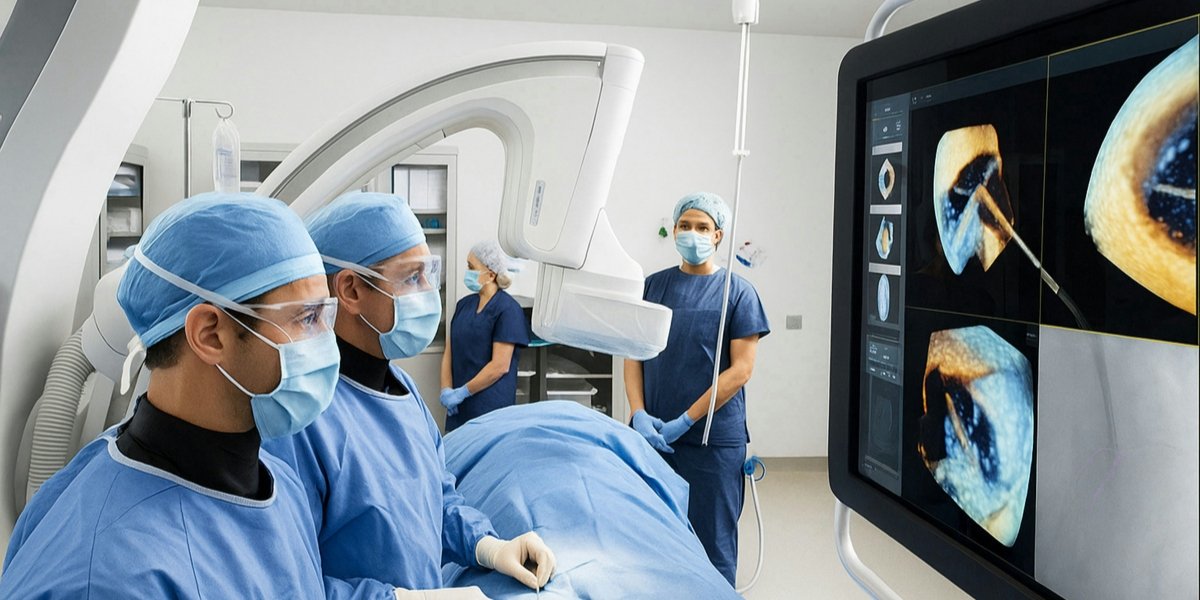 Ejaymed
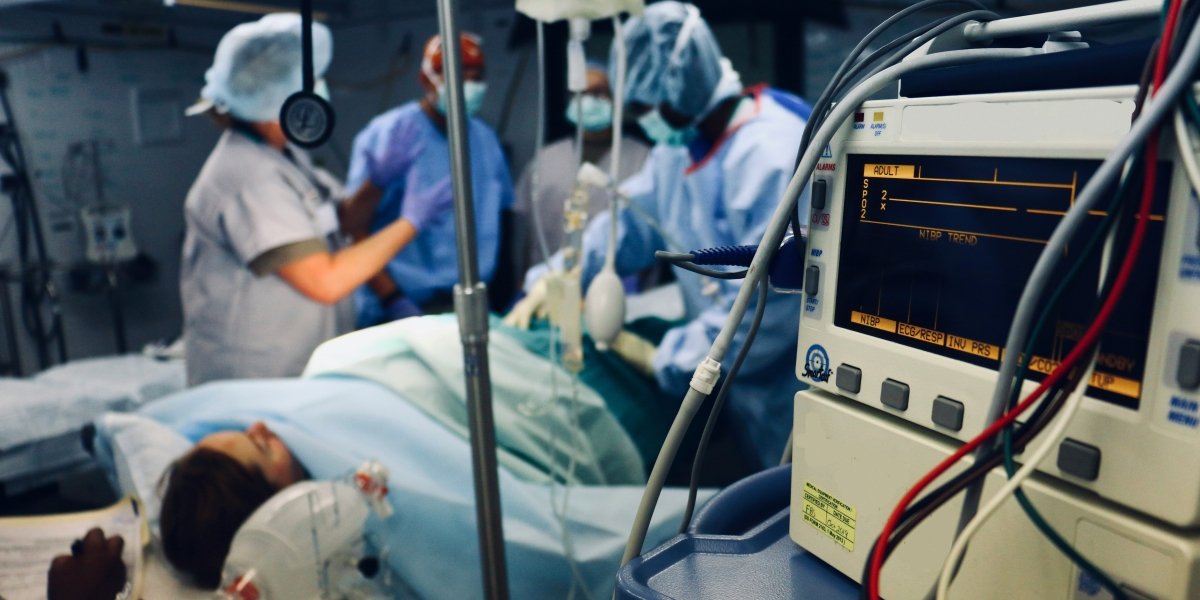 Ejaymed
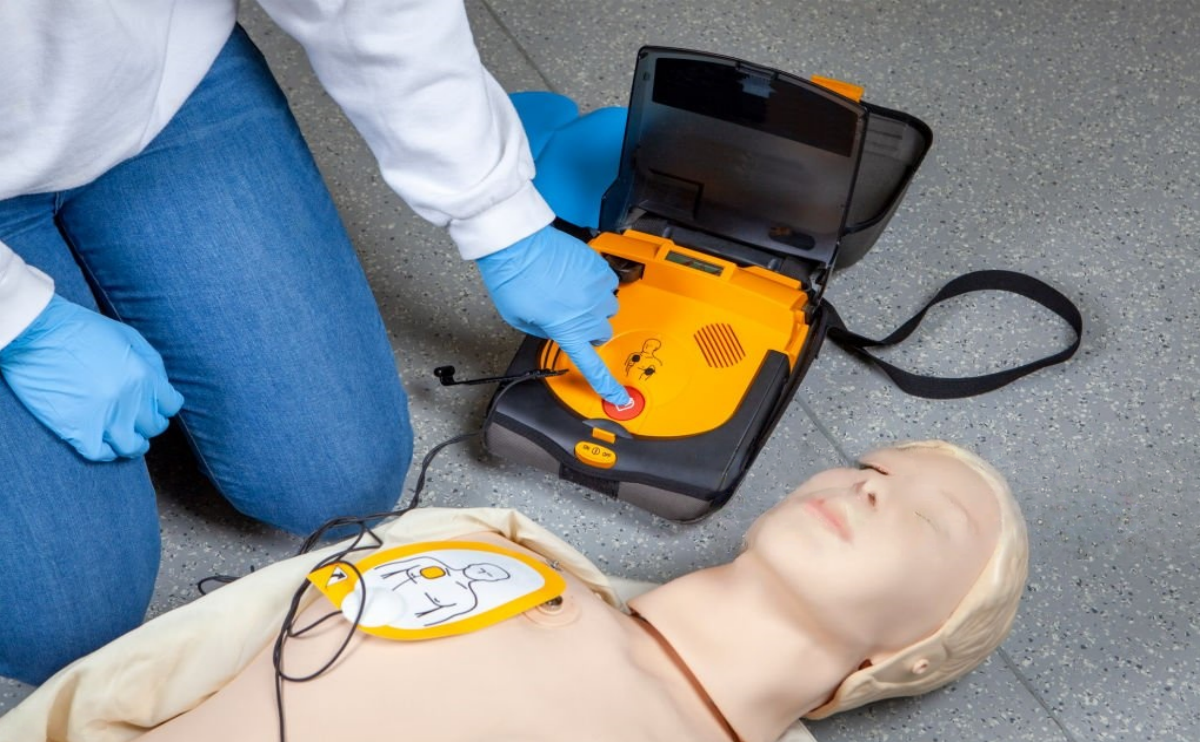 Ejaymed
 Ejaymed
 Ejaymed
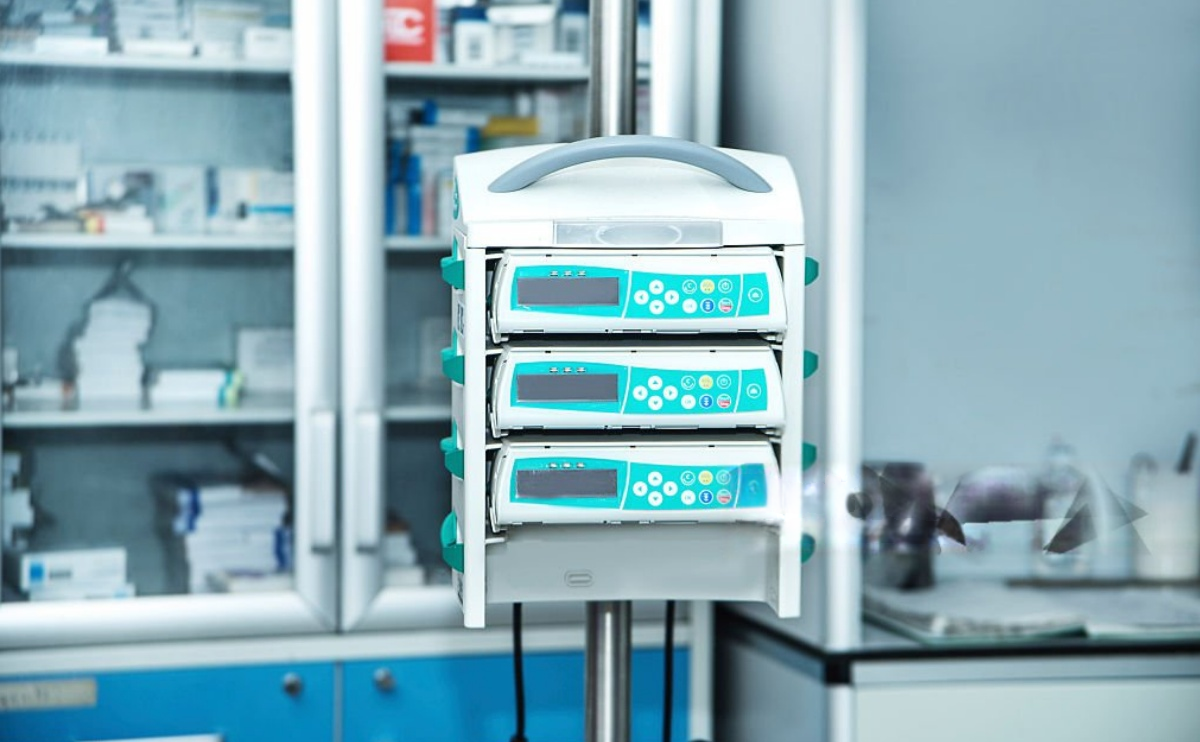 Ejaymed
 Ejaymed