Hospital Ventilator: Price and Procurement Guide

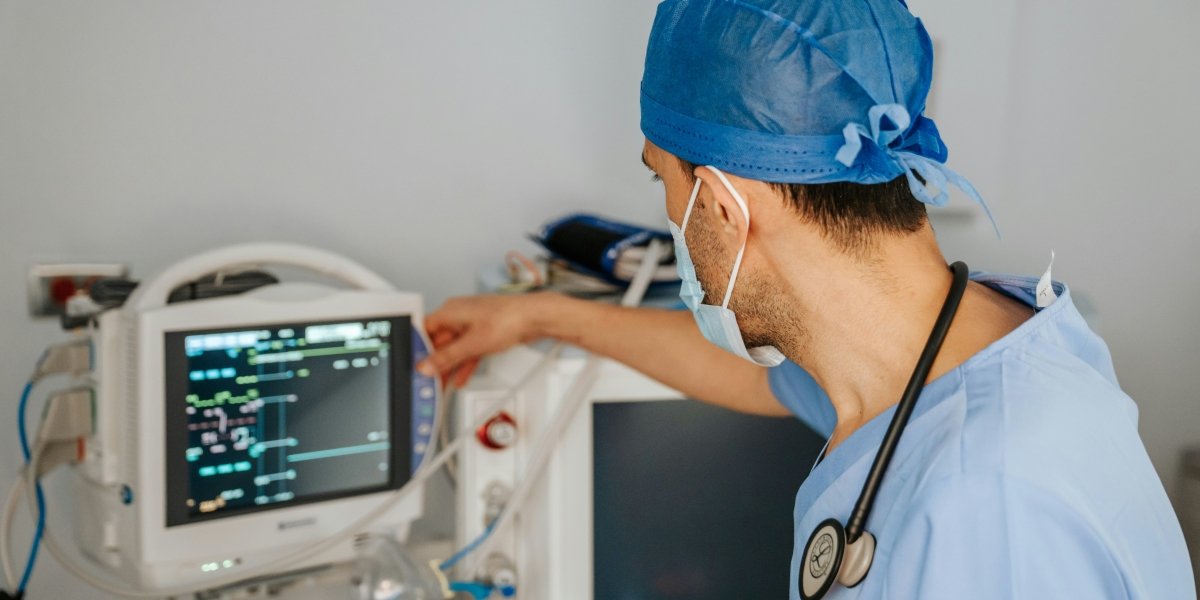
When hospitals purchase ventilators, the focus is not on basic definitions but on practical factors: price range, ventilation modes, clinical applications, and supplier reliability.
Mechanical ventilation is a life-support technique used when patients cannot breathe adequately on their own. Modern ventilators deliver positive pressure ventilation, pushing air into the lungs to maintain alveolar expansion, ensuring effective oxygenation and carbon dioxide removal.
Core Functions of a Medical Ventilator
✔ Pressure Support and Ventilation Modes
Modern ventilators support multiple modes in ventilator systems, including:
- CMV (Continuous Mandatory Ventilation)–delivers a fixed number of breaths per minute
- SIMV (Synchronized Intermittent Mandatory Ventilation)–allows spontaneous breathing between machine cycles
- Pressure Support Ventilation (PSV)–assists patient-initiated breaths
- Pressure Controlled Ventilation–limits airway pressure to protect lung tissue
Advanced systems also support:
- adaptive servo-ventilation
- airway pressure release ventilation
- assist control ventilation
✔ PEEP (Positive End-Expiratory Pressure)
A ventilator with PEEP maintains pressure at the end of exhalation, preventing alveolar collapse and improving oxygen exchange.
✔ Minute Ventilation Monitoring
Minute ventilation (or minute ventilation volume) refers to the total air entering the lungs per minute.
👉 It can be calculated using the minute ventilation formula:
- Tidal volume × respiratory rate
Clinically, adjusting respiratory rate or tidal volume helps manage CO₂ retention.
Types of Ventilators and Clinical Applications
ICU Ventilators (Critical Care)
ICU ventilators are designed for severe conditions such as:
- Acute respiratory distress syndrome (ARDS)
- Severe pneumonia
- Post-surgical respiratory failure
These systems support:
- invasive ventilation and non invasive ventilation
- advanced monitoring (ventilator screen, alarms)
- high-level respiratory control
👉 Recommended ICU ventilator:
https://e-jaymed.com/product/cwh-3020b/
👉 Alternative ICU solution:
https://e-jaymed.com/product/icu-ventilator-ab-vk600/
Portable Ventilators (Emergency & Transport)
Portable ventilators are essential for:
- ambulance transport
- emergency response
- inter-hospital transfer
They support:
- bag mask ventilation compatibility
- ventilator mask systems
- rapid deployment scenarios
👉 Recommended transport ventilator:
https://e-jaymed.com/product/intelligence-transport-ventilator-ab-t500/
Home Ventilators (Long-Term Care)
Used for chronic respiratory conditions:
- COPD
- neuromuscular diseases
- long-term respiratory failure
These systems include:
- home ventilator / at home ventilator
- home ventilator machine
- non-invasive ventilation modes
👉 Recommended home ventilator:
https://e-jaymed.com/product/t50/
Multi-Scenario Ventilator Systems
Some hospitals prefer flexible systems for multiple environments.
👉 Recommended general-use ventilators:
What Affects Pricing?
- Ventilation modes (SIMV, PSV, pressure control)
- Monitoring features (ventilator screen, alarms such as high pressure alarm on ventilator)
- Certifications (CE, FDA)
- After-sales service and support
- Procurement Recommendations
✔ Choose Based on Clinical Scenario
- ICU → advanced ventilator systems
- Emergency → portable ventilators
- Home care → simple non-invasive systems
✔ Focus on Reliability
Ventilators are life-support equipment. Prioritize:
- stability
- battery performance
- alarm systems
- long-term durability
✔ Select the Right Supplier
- A reliable ventilator supplier should provide:
- export experience
- product range (ICU, portable, home)
- technical support
- fast response time
Key Clinical Considerations
Ventilator vs Respirator
- Ventilator vs respirator is often misunderstood
- Ventilator → supports breathing
- Respirator → protective equipment
Invasive vs Non-Invasive Ventilation
- Intubation vs ventilator: invasive ventilation requires airway access
- Non-invasive ventilation uses masks without intubation
Oxygenation vs Ventilation
- Oxygenation → oxygen delivery
- Ventilation → CO₂ removal
Both must be balanced for effective treatment.
FAQ
What’s a ventilator?
A ventilator is a machine that supports or replaces spontaneous breathing.
What is non invasive ventilation?
It provides respiratory support without intubation.
How is minute ventilation calculated?
Tidal volume × respiratory rate.
When is long-term ventilation needed?
Patients may transition from intubation to tracheostomy for extended use.