
What Is an Infusion Pump?


An infusion pump is a medical device used to deliver fluids, medications, nutrients, or other solutions into a patient's body at a controlled and programmable rate. Unlike gravity-based infusion, an IV infusion pump allows healthcare professionals to control the flow rate and volume more precisely.
Infusion pumps are widely used in hospitals, intensive care units, operating rooms, emergency departments, oncology centers, and other healthcare settings. They are especially useful when a patient requires continuous medication administration or precise fluid management.
How Does an Infusion Pump Work?
An infusion pump uses a motor-driven mechanism to move fluid from a container or syringe through tubing and into the patient. Before starting an infusion, a healthcare professional selects the appropriate infusion set or syringe, connects the system, and programs the required parameters.
Depending on the pump, these settings may include:
- Infusion rate
- Total infusion volume
- Infusion duration
- VTBI
- Alarm limits
The pump then delivers the fluid according to the programmed settings.
For example, an IV infusion pump can continuously deliver medication at a specific rate rather than relying on manual adjustment of a drip chamber. This makes controlled infusion particularly useful when medication dosage and delivery speed are important.
What Are the Types of Infusion Pumps?
Different clinical applications require different types of infusion pumps.
Volumetric Infusion Pump
A volumetric infusion pump is commonly used to deliver larger volumes of fluids or medications through an IV line.
These pumps are widely used in:
- Hospital wards
- ICUs
- Emergency departments
- Operating rooms
- Critical care units
A volumetric pump allows healthcare professionals to control the infusion rate and total volume according to the treatment plan.
Syringe Infusion Pump
A syringe infusion pump uses a motor-driven mechanism to push the plunger of a syringe at a controlled speed.
Because it can provide highly controlled delivery of relatively small volumes, syringe pumps are commonly used in critical care, neonatal care, anesthesia, and other applications requiring accurate medication administration.
For these applications, E-Jaymed provides a syringe infusion pump designed for controlled clinical drug delivery.
Portable and Ambulatory Infusion Pumps
A portable infusion pump is designed to provide greater mobility and flexibility. Depending on the clinical application, portable systems may allow selected patients to continue prescribed infusion therapy outside a traditional hospital environment.
These systems can also help reduce equipment footprint and improve workflow flexibility.
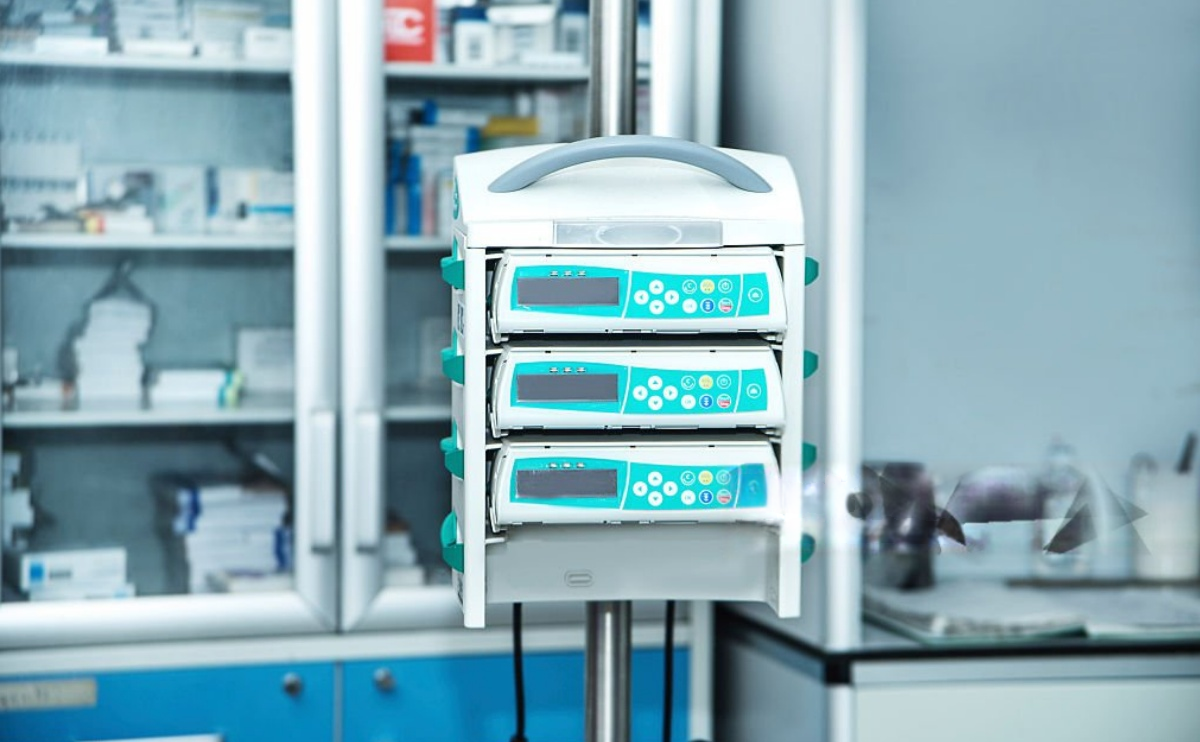
Multi-Channel Infusion Systems
When several infusion therapies need to be administered simultaneously, multiple pumps can create a crowded bedside environment.
A multi-channel infusion dock station can help organize several infusion devices into a more integrated configuration, making it easier for healthcare professionals to manage multiple infusion therapies.
What Are Infusion Pumps Used For?
Infusion pump uses cover a wide range of medical applications.
- Medication Administration:Infusion pumps can deliver antibiotics, analgesics, cardiovascular medications, and other prescribed drugs at controlled rates.
- Chemotherapy:A chemotherapy infusion pump may be used when oncology treatment requires medication to be administered at a controlled rate over a specific period.
- Fluid and Electrolyte Therapy:An IV infusion pump can deliver saline, dextrose, electrolytes, and other fluids when controlled volume and flow are required.
- Pain Management:Infusion technology can support controlled medication delivery for pain management in appropriate clinical settings.
- Nutritional Support:Specialized infusion equipment can also be used for nutritional therapy. Depending on the patient's condition, healthcare providers may select enteral or parenteral nutrition systems.
What Safety Features Does an Infusion Pump Have?
Because infusion pumps may deliver critical medications and fluids, safety features are an important consideration when selecting medical equipment.
Common features can include:
- Occlusion alarms
- Air-in-line detection
- Low-battery alarms
- Door-open alarms
- Infusion completion alerts
- Flow-rate monitoring
- Anti-bolus functions
Modern systems may also include programmable alarm limits and pressure monitoring to help healthcare professionals identify potential problems during infusion therapy.
However, healthcare professionals should always follow the manufacturer's instructions, hospital protocols, and applicable clinical guidelines when operating an infusion pump.
Infusion Pump vs. Syringe Pump
Although infusion pump and syringe pump are sometimes used interchangeably, they are not exactly the same.
An infusion pump is a broader category of equipment used to deliver fluids or medications at controlled rates. A syringe pump specifically uses a syringe and motor-driven plunger mechanism.
💉 Infusion Pump vs Syringe Pump
💉 Infusion Pump
- • Suitable for larger fluid volumes
- • Commonly uses IV infusion sets
- • Common in hospital wards and ICUs
- • Suitable for continuous IV therapy
💊 Syringe Pump
- • Suitable for smaller volumes
- • Uses syringes
- • Common in critical care
- • Designed for precise medication delivery
How to Choose an Infusion Pump?
When choosing an infusion pump for hospital use, healthcare organizations should consider more than the basic flow rate.
📋 Important factors include
Hospitals and distributors should also evaluate the reliability of the infusion pump supplier, product documentation, spare-parts availability, warranty, and long-term technical support.
For example, E-Jaymed provides infusion pump solutions for hospitals, clinics, medical distributors, and healthcare projects.
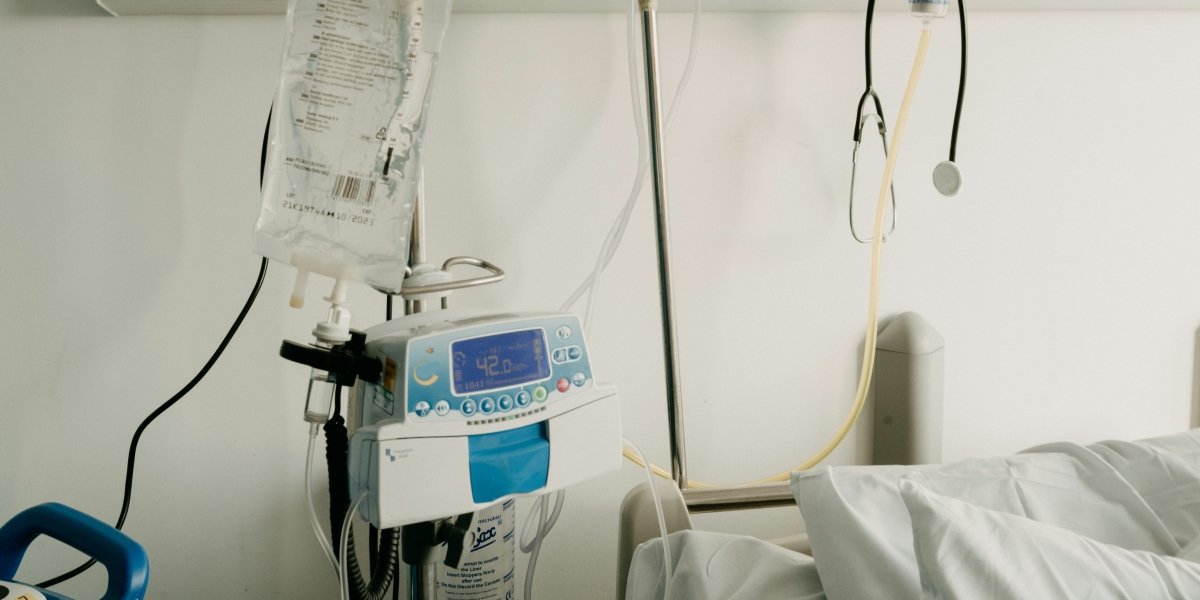
Frequently Asked Questions
What is VTBI in an infusion pump?
What are infusion pumps used for?
How does an infusion pump work?
How to set up an IV infusion pump
Related Posts
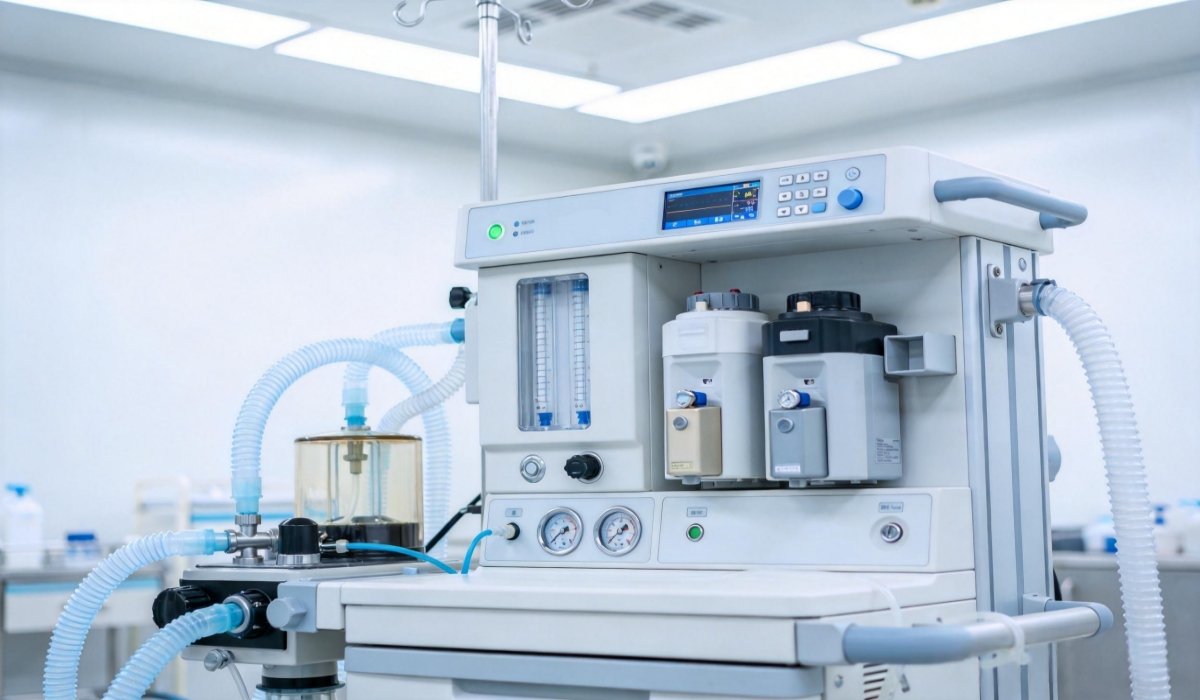
What Is an Anesthesia Machine? How It Works and When It Is Used
-
Posted by
 Ejaymed
 - 0 comments
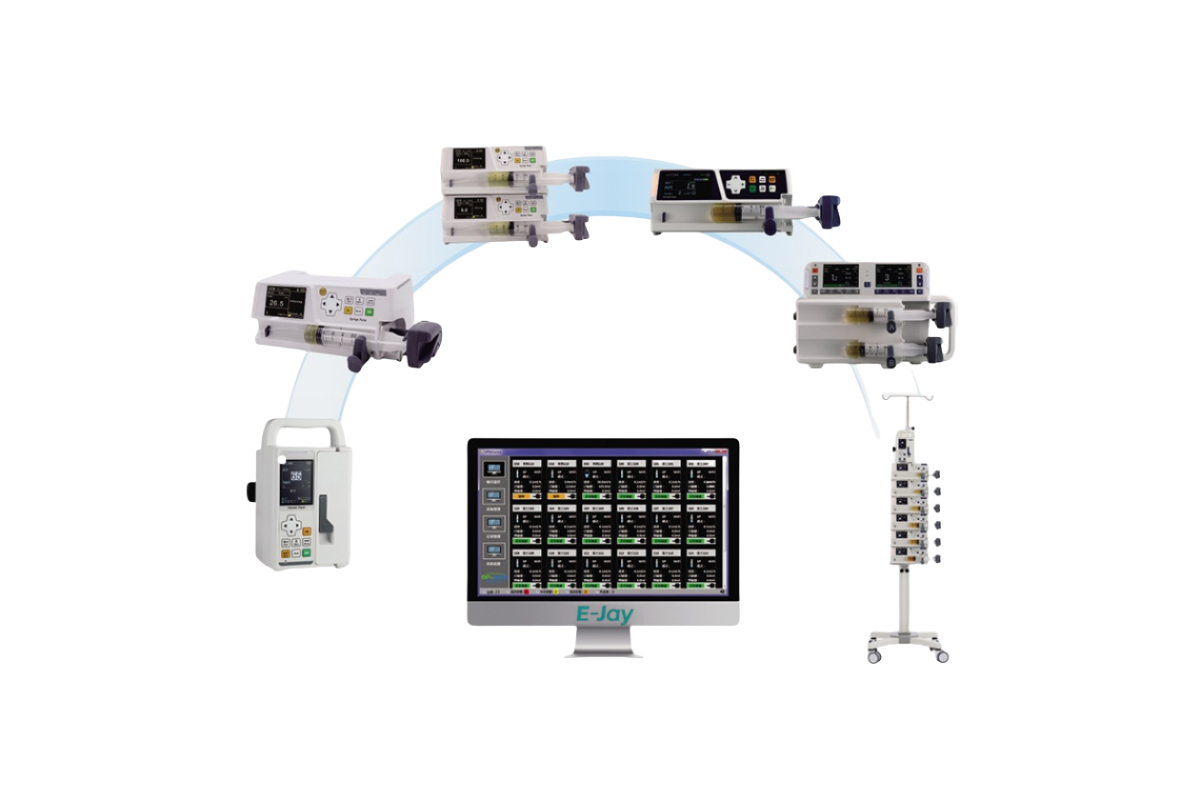
Medical Infusion Pump Manufacturer in China: Wholesale Infusion Pump, Syringe Pump & Feeding Pump Solutions
-
Posted by
Ejaymed
- 0 comments
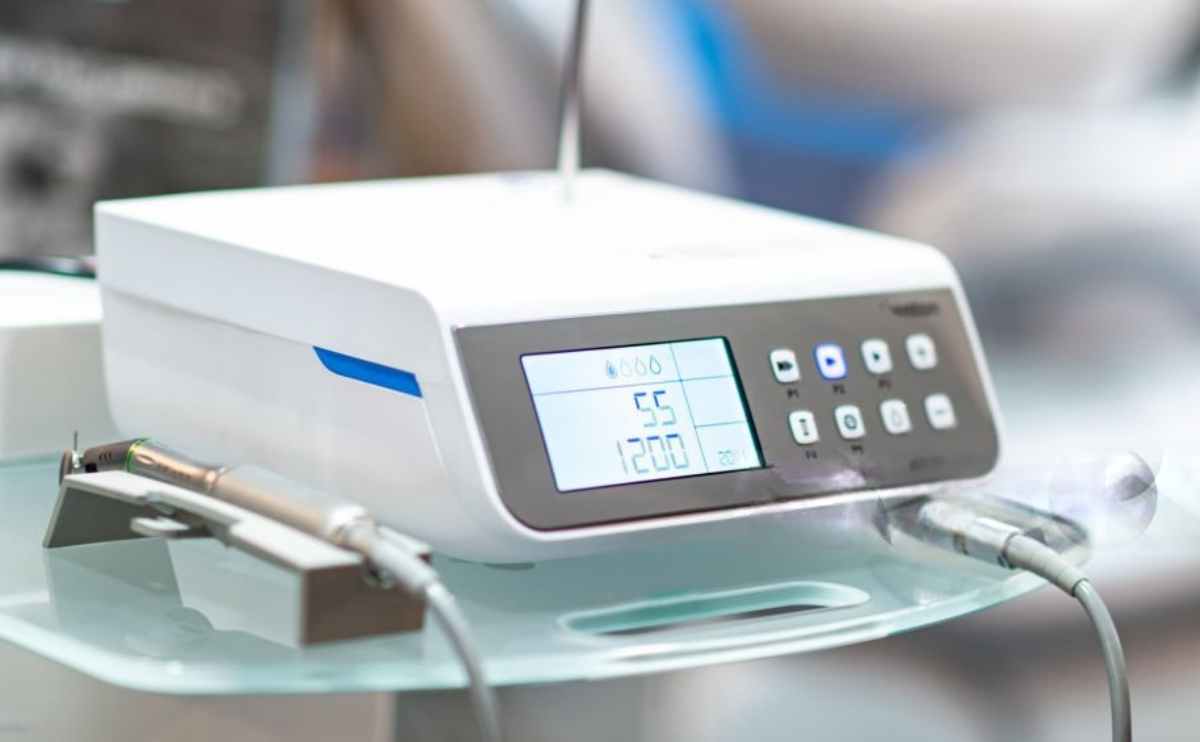
What Is Electrosurgical Unit
-
Posted by
Ejaymed
- 0 comments

What Is a Ventilator?
-
Posted by
Ejaymed
- 0 comments
What is a Syringe Pump?
-
Posted by
Ejaymed
- 0 comments