What Is an Anesthesia Machine? How It Works and When It Is Used

Modern surgical procedures require precise anesthesia delivery, patient safety monitoring, and reliable respiratory support. Among essential operating room equipment, the anesthesia machine plays a critical role in maintaining controlled anesthesia during surgery.
With the increasing demand for advanced healthcare infrastructure, hospitals, surgical centers, and medical distributors are paying more attention to reliable medical anesthesia machine solutions that provide accurate gas delivery, ventilation support, and patient monitoring capabilities.
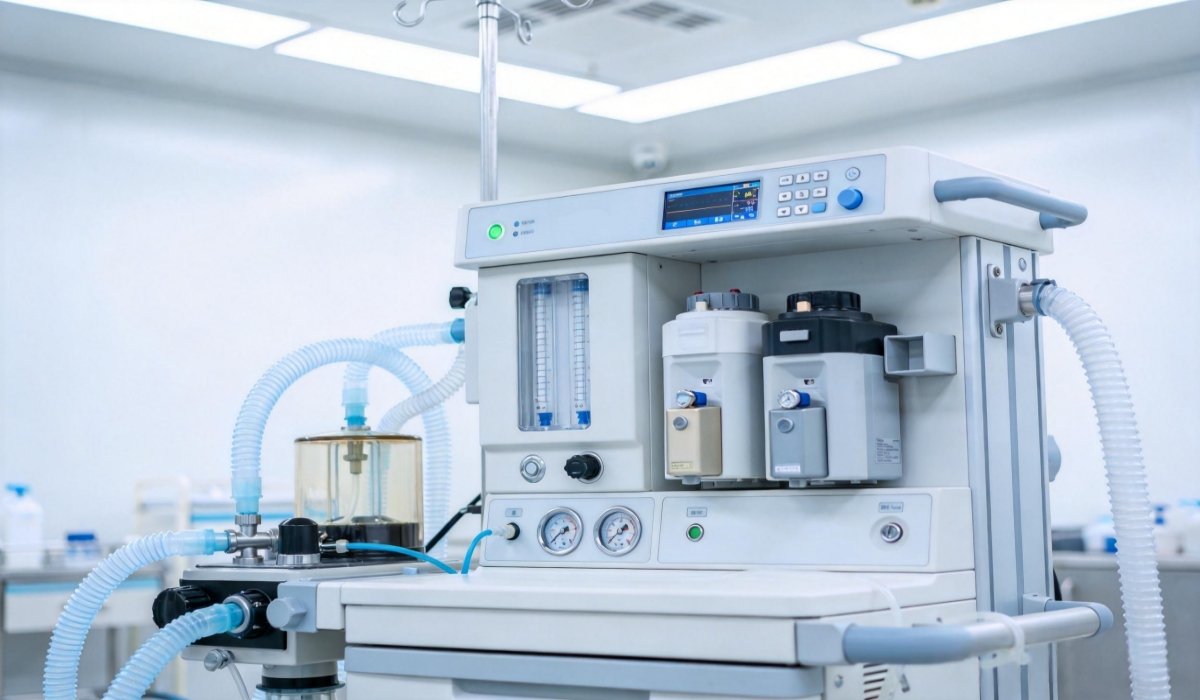
An anesthesia machine is no longer just a device for delivering anesthetic gases. Modern systems, also known as anesthesia workstations, integrate gas supply, breathing circuits, ventilators, monitoring systems, and safety mechanisms into one complete solution.
As a professional medical equipment manufacturer, E-Jaymed provides reliable anesthesia machine solutions for hospitals, operating rooms, veterinary clinics, and global healthcare distributors.
What Is an Anesthesia Machine?
An anesthesia machine is a medical device designed to deliver controlled concentrations of anesthetic gases and oxygen to patients during surgical procedures.
The main purpose of an anesthesia machine is to maintain a safe anesthesia state while supporting patient breathing throughout an operation.
A modern medical anesthesia machine usually includes:
- Oxygen and medical gas supply system
- Flow control system
- Vaporizer
- Breathing circuit
- Mechanical ventilator
- Patient monitoring interface
- Safety alarm system
Unlike simple gas delivery devices, an advanced anesthesia workstation combines anesthesia delivery and respiratory management functions, making it an essential piece of equipment in modern operating rooms.
Hospitals typically use anesthesia machines for:
- General surgery
- Emergency operations
- Orthopedic procedures
- Cardiovascular surgery
- Neurosurgery
- Obstetric surgery
- Veterinary surgical procedures
How Does an Anesthesia Machine Work?
Understanding how an anesthesia machine works helps hospitals and medical buyers select suitable equipment for different surgical environments.
The working process of an anesthesia machine includes several important stages.
1. Medical Gas Supply
The anesthesia machine receives medical gases including:
- Oxygen
- Nitrous oxide
- Medical air
These gases enter the machine through centralized hospital pipelines or gas cylinders.
The gas supply system controls pressure and ensures stable delivery during surgery.
Reliable gas management is one of the most important features of a professional hospital anesthesia machine.
2. Gas Flow Control and Mixing
After entering the system, gases are accurately controlled through flow meters.
The machine adjusts oxygen concentration and other medical gases according to clinical requirements.
Precise gas control helps anesthesiologists maintain stable anesthesia depth and patient safety.
3. Vaporizer System
The vaporizer converts liquid anesthetic agents into controlled anesthetic vapor.
The concentration of anesthetic gas can be adjusted based on:
- Patient condition
- Surgery type
- Required anesthesia depth
High-quality vaporizers are essential components of modern anesthesia equipment.
4. Breathing Circuit and Ventilation Support
The breathing circuit delivers the anesthetic mixture to the patient and removes exhaled gases.
Many advanced anesthesia machines include integrated ventilator functions to provide mechanical breathing support.
This makes the anesthesia machine suitable for patients who cannot maintain adequate spontaneous breathing during surgery.
Main Components of an Anesthesia Machine
Different medical environments require different anesthesia solutions.
Hospital Anesthesia Machine
Hospital anesthesia machines are designed for operating rooms and surgical centers.
They usually provide:
- Advanced ventilation modes
- Accurate gas control
- Comprehensive monitoring
- Long-term reliability
E-Jaymed provides professional operating room anesthesia solutions including:
Eluna 70 Anesthesia Machine and Eluna 80 Anesthesia Machine, designed for modern hospital surgical environments.
Portable Anesthesia Machine
Portable anesthesia machines are designed for locations requiring mobility.
Applications include:
- Emergency surgery
- Small clinics
- Mobile medical units
- Field hospitals
Portable systems provide flexibility while maintaining essential anesthesia functions.
Veterinary Anesthesia Machine
Veterinary hospitals require specialized anesthesia systems designed for different animal sizes.
A veterinary anesthesia machine supports procedures involving:
- Dogs
- Cats
- Small animals
- Exotic animals
E-Jaymed provides veterinary anesthesia solutions including:
Different Types of Anesthesia Machines
A complete anesthesia workstation consists of multiple systems working together.
Gas Delivery System
The gas delivery system ensures accurate oxygen and anesthetic gas supply.
Anesthesia Vaporizer
The vaporizer controls anesthetic concentration and maintains stable anesthesia delivery.
Mechanical Ventilator
The integrated ventilator supports controlled ventilation during surgery.
Patient Monitoring System
Monitoring functions may include:
- Oxygen concentration monitoring
- Pressure monitoring
- Volume monitoring
- Carbon dioxide monitoring
Safety Alarm System
Modern anesthesia machines include alarms for:
- Low oxygen pressure
- High airway pressure
- Disconnection
- Ventilation abnormalities
These safety features help reduce risks during anesthesia procedures.
When Is an Anesthesia Machine Used?
Anesthesia machines are widely used in healthcare facilities worldwide.
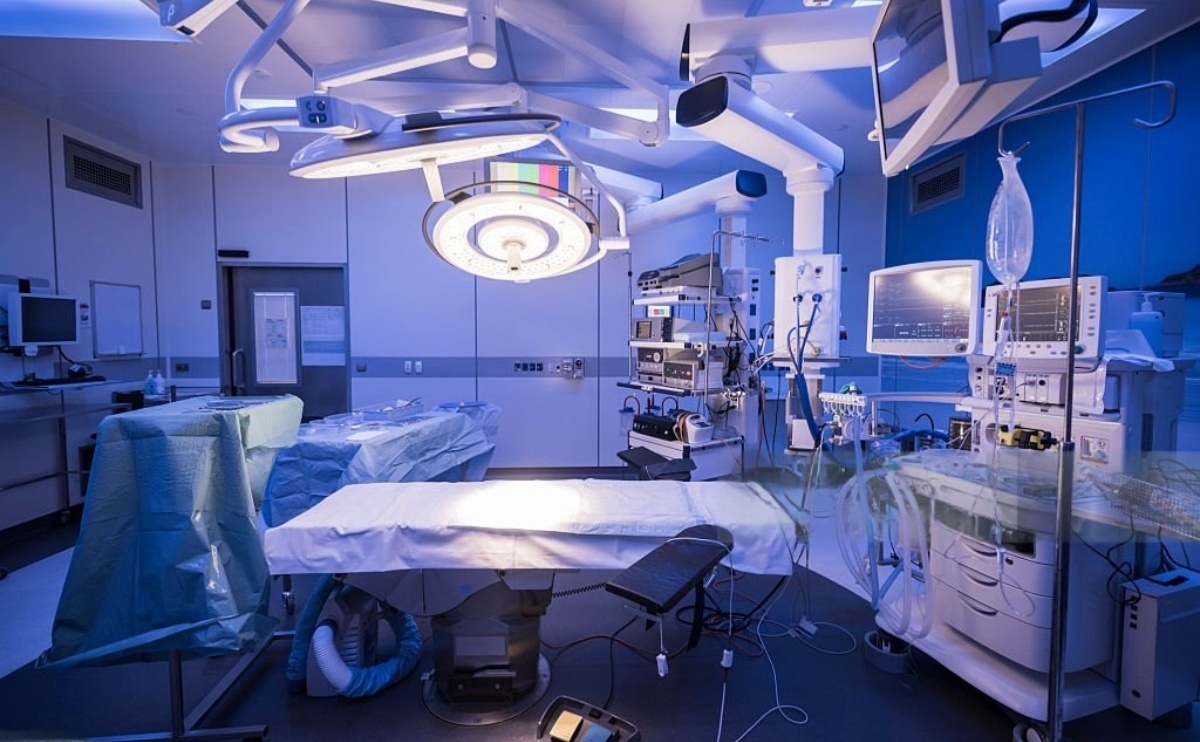
Operating Rooms
The most common application is surgical anesthesia.
During surgery, the anesthesia machine provides:
- Controlled anesthesia delivery
- Oxygen supply
- Ventilation support
- Patient safety monitoring
Emergency Departments
Emergency medical teams require reliable anesthesia equipment for urgent procedures.
Intensive Care Units
Some advanced anesthesia systems can support complex respiratory management requirements.
Veterinary Hospitals
Veterinary clinics use anesthesia machines for animal surgery and diagnostic procedures.
How to Choose a Reliable Anesthesia Machine Supplier?
Choosing the right anesthesia machine supplier is critical for hospitals and distributors.
Before purchasing, buyers should consider several factors.
1. Choose an Experienced Anesthesia Machine Manufacturer
A professional anesthesia machine manufacturer should provide:
- Stable production capability
- Medical device certifications
- Technical documentation
- Product training
- After-sales support
For international buyers, working with an experienced anesthesia machine supplier in China can provide competitive advantages in pricing, customization, and supply capability.
2. Evaluate Product Quality and Safety
Medical equipment requires long-term reliability.
Important factors include:
- Stable gas delivery
- Accurate ventilation control
- Durable components
- Safety alarms
- Easy maintenance
3. Consider After-Sales Service
After-sales support is essential for hospital equipment.
Reliable suppliers should provide:
- User manuals
- Installation guidance
- Technical support
- Spare parts supply
- Maintenance assistance
Why Choose E-Jaymed Anesthesia Machine Solutions?
E-Jaymed focuses on providing reliable medical equipment solutions for global healthcare markets.
As an experienced anesthesia workstation manufacturer, E-Jaymed supports:
- Hospitals
- Surgical centers
- Veterinary clinics
- Medical distributors
Our anesthesia solutions include:
- Advanced anesthesia workstations
- Hospital anesthesia machines
- Veterinary anesthesia systems
- Portable anesthesia equipment
Featured products include:
- Eluna 70 Anesthesia System
- Eluna 80 Anesthesia System
- Pumila 750 Anesthesia Machine
- CWM-303 Anesthesia System
- Anesthesia Machine 820
With professional manufacturing experience and global export capability, E-Jaymed helps healthcare providers select suitable anesthesia solutions for different clinical environments.
Anesthesia Machine vs Anesthesia Workstation
Many buyers search for the difference between an anesthesia machine and anesthesia workstation.
Generally:
Anesthesia MachineAnesthesia WorkstationBasic anesthesia delivery systemIntegrated advanced anesthesia platformGas delivery focusedGas delivery + ventilation + monitoringSuitable for basic proceduresDesigned for modern operating roomsLower configurationMore advanced functionsModern hospitals increasingly prefer anesthesia workstations because they provide better workflow integration and patient safety.
FAQ
What is an anesthesia machine used for?
How does an anesthesia machine work?
How much does an anesthesia machine cost?
What is the difference between an anesthesia machine and anesthesia workstation?
How to choose an anesthesia machine supplier?
Looking for a Reliable Anesthesia Machine Manufacturer?
E-Jaymed provides professional anesthesia machine and anesthesia workstation solutions for hospitals, clinics, veterinary centers, and global distributors.
Our solutions include:
- Medical anesthesia machines
- Hospital anesthesia equipment
- Veterinary anesthesia systems
- Operating room solutions
- OEM medical equipment support
Contact E-Jaymed today for product catalogs, technical information, and customized anesthesia equipment solutions.