What Is Electrosurgical Unit

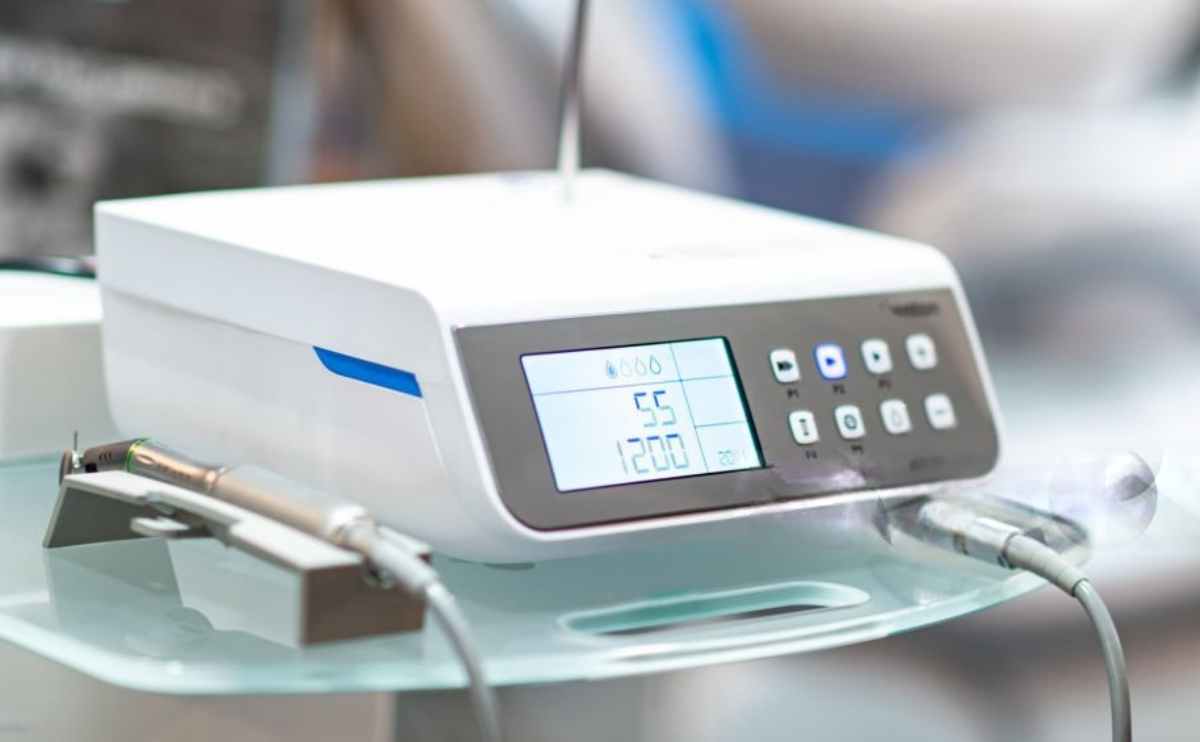
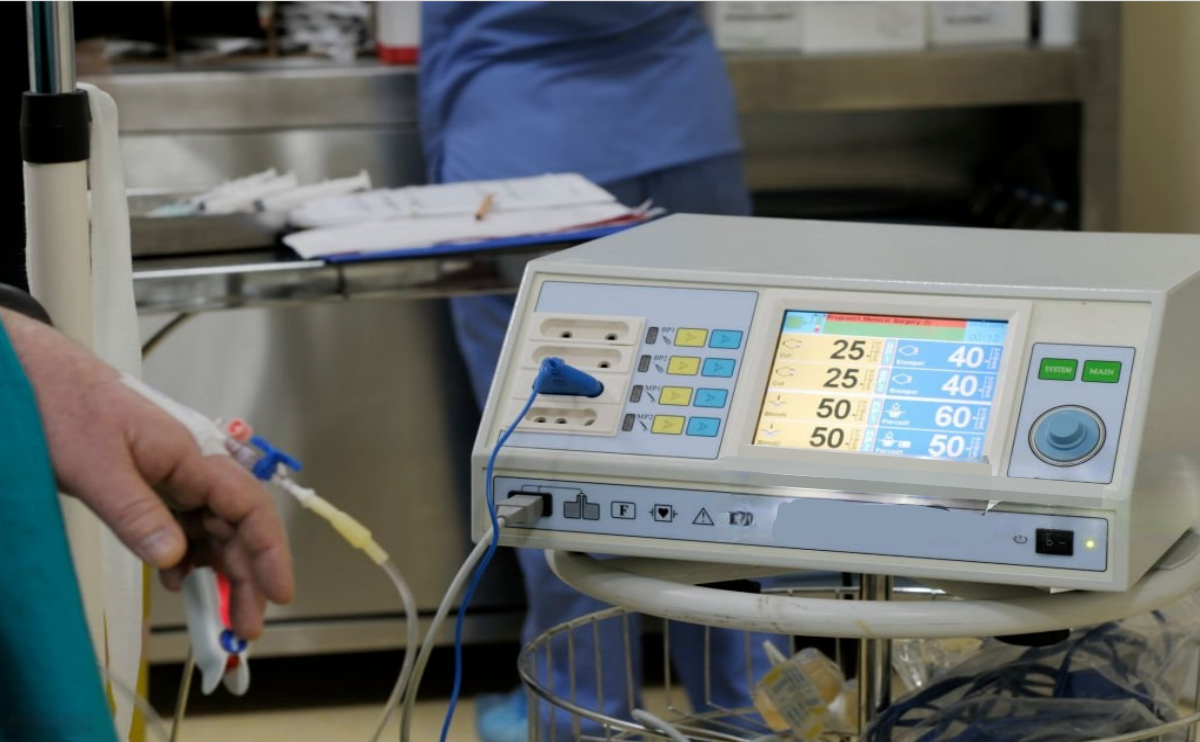
An Electrosurgical Unit (ESU), also commonly referred to as an electrosurgical generator or a surgical diathermy machine, is a sophisticated medical device that generates and controls high-frequency alternating electrical current to achieve specific therapeutic effects on biological tissue. In precise medical terms, the definition of an electrosurgical unit centers on its function to produce controlled thermal effects—through cutting, coagulation (hemostasis), fulguration, or desiccation—by passing current through tissue, which resists the flow and generates heat (Joule heating).
Modern units operate primarily in two fundamental modalities, defined by the current pathway:
Monopolar Electrosurgery: Current flows from the active electrode (e.g., pencil, blade) at the surgical site, through the patient's body, to a large-surface-area return electrode (dispersive pad) placed elsewhere on the body. This mode is versatile for cutting and coagulation over broader areas.
Bipolar Electrosurgery: Current flows only between the two tips of a specialized forceps, limiting the effect to a small volume of tissue grasped between them. This offers superior precision and safety near sensitive structures like nerves or blood vessels.
How to Test an Electrosurgical Unit
Regular, quantitative performance verification of an electrosurgical unit is a critical biomedical engineering and clinical safety requirement. This is not a simple "power-on" check but requires a dedicated electrosurgical unit analyzer. The testing protocol validates the output of both monopolar and bipolar electrosurgical unit functions to ensure they meet manufacturer specifications and international safety standards.
A comprehensive test sequence evaluates several key parameters:
Output Power Accuracy: The analyzer, acting as a calibrated load, measures the actual power (in watts) delivered by the generator across its entire range (e.g., from 1W to 300W) and compares it to the set value. This confirms the unit can deliver the precise energy needed for predictable surgical effects.
Waveform Integrity Analysis: The analyzer assesses the quality of the output waveforms. It verifies that the "Cut" waveform is a continuous sine wave for clean tissue division, and the "Coag" waveform is properly modulated for effective hemostasis without excessive charring.
Safety Circuit Validation:
Patient Return Electrode Monitoring (REM): For monopolar surgery, the analyzer tests the unit's ability to detect a poor connection or partial detachment of the dispersive pad and to alarm and/or deactivate power accordingly.
High-Frequency Leakage Current: This critical test measures stray current that could potentially flow through unintended paths, which must be kept below strict safety limits to prevent patient or staff injury.
Accessory Function Check: All electrosurgical unit parts, including handswitches, foot pedals, pencils, and cords, are tested for proper activation, continuity, and insulation integrity.
Routine testing with a certified electrosurgical unit analyzer is essential for preventive maintenance, regulatory compliance, and maximizing the operational lifespan of this vital equipment.
Where are Electrosurgical Units Used in a Hospital?
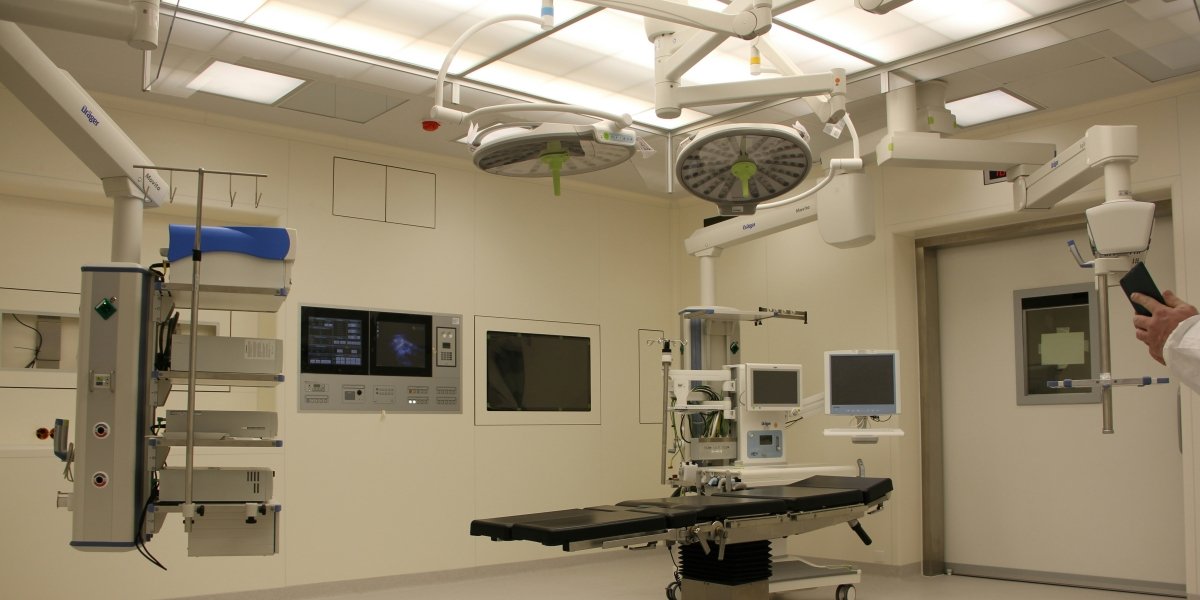
The uses of an electrosurgical unit are pervasive in the modern hospital, extending far beyond the general surgery operating room. Its ability to provide simultaneous cutting and hemostasis makes it indispensable in virtually every surgical discipline.
General & Gastrointestinal Surgery: The primary domain for monopolar electrosurgical units, used for incising fascia, dissecting muscle and soft tissue, and controlling bleeding during procedures like laparotomies, bowel resections, and cholecystectomies. Units must offer robust, stable power for these demanding applications, such as a high frequency electrosurgical unit like the CV-2000VI0 High-Frequency Electrosurgical System.
Gynecology & Obstetrics: Essential for procedures ranging from abdominal hysterectomies to laparoscopic ovarian cystectomies. Both monopolar and bipolar modes are heavily utilized for tissue dissection and sealing vascular pedicles. Precision is key in fertility-sparing surgeries, supported by specialized systems like the OBS-100A Electrosurgical Workstation designed for obstetric and gynecological precision.
Orthopedic Surgery: Used for hemostasis of highly vascular bone and muscle during joint replacements, spinal fusions, and trauma surgeries. Specialized modes like "coagulation spray" are valuable for controlling diffuse oozing from cancellous bone.
Urology: The cornerstone of procedures like Transurethral Resection of the Prostate (TURP) and bladder tumors (TURBT). The ESU must function reliably in a conductive fluid environment, providing a clear cutting arc and effective coagulation to seal prostatic vessels.
Cardiothoracic & Vascular Surgery: Employed for sternotomy hemostasis, dissection of mediastinal tissue, and sealing small vessels. Bipolar forceps are often preferred near major nerves like the phrenic nerve or great vessels.
Neurosurgery: The domain of bipolar electrosurgical units. Neurosurgeons rely almost exclusively on fine bipolar forceps for meticulous, bloodless dissection and coagulation within the brain and spinal cord, where thermal spread must be minimized to protect eloquent neural tissue.
Ear, Nose & Throat (ENT) / Head & Neck Surgery: Used for tonsillectomies, thyroidectomies, sinus surgeries, and oncologic resections. The need for precision in confined spaces makes units with fine-wire electrodes and sensitive bipolar outputs critical. A versatile system like the 100C Multifunction Electrosurgical System is well-suited for such diverse ENT and minor surgical procedures.
Plastic, Aesthetic & Dermatologic Surgery: Used for skin lesion removal, blepharoplasty, and other cosmetic procedures. Advanced units offer specialized functions for delicate work with minimal thermal damage to surrounding skin. For example, a Dual Cold RF Electrosurgical Unit combines bipolar radiofrequency with cooling to achieve precise tissue tightening and ablation in aesthetic applications.
Our Expertise
E-Jay Medical is deeply committed to providing reliable, advanced, and efficient integrated solutions for operating theatres and critical care departments. We continuously invest in research and development, keeping pace with the latest trends in medical technology to ensure our products and services meet the increasingly complex demands of modern healthcare environments.
As an innovator in the field of medical technology, we possess profound technical expertise and unique experience in ventilators, anesthesia machines, medical lighting, infusion pumps, and operating theatre solutions. We strive to create a safer, more convenient, and more efficient working environment for healthcare professionals.
E-Jay has become a trusted partner for numerous medical institutions worldwide. Our professional equipment is widely used in operating rooms, ICUs, and emergency resuscitation areas of hospitals at various levels. Supported by a comprehensive service network, we provide customers with timely and professional technical support and after-sales service.