
Operating Theatre Equipment(OR), A Complete Guide

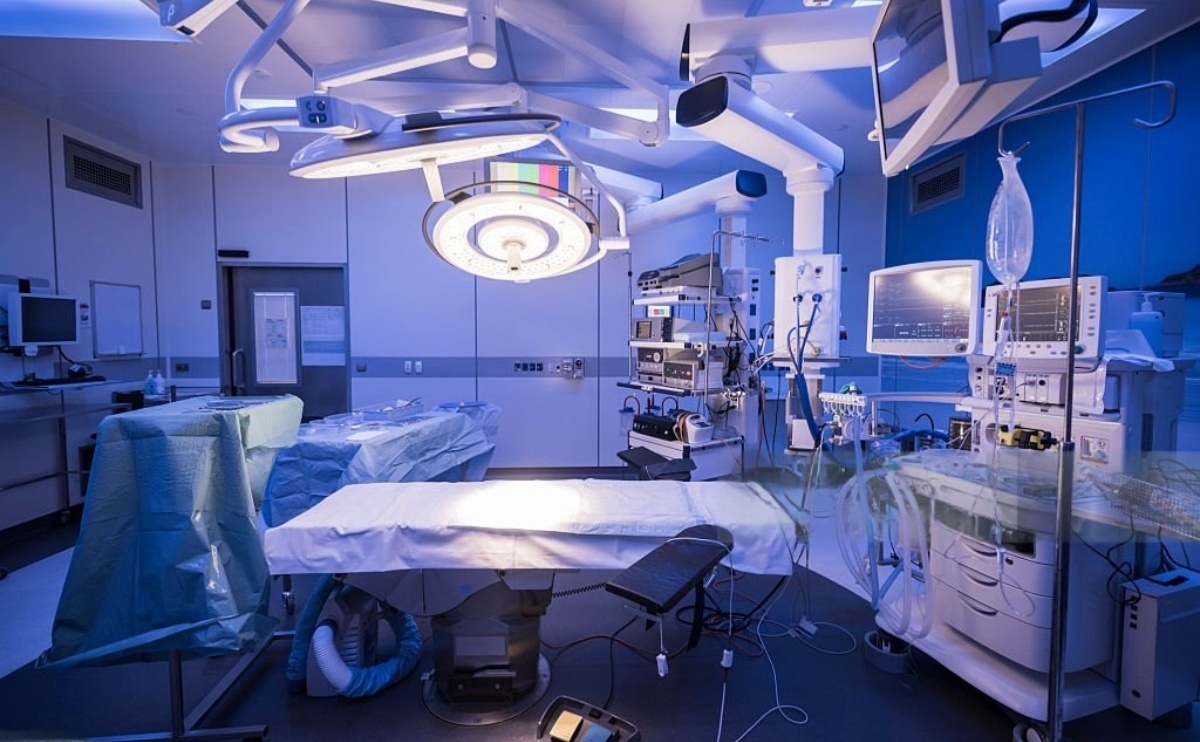
What is an Operating Theatre (OR)?
A Brief History of Operating Theatre Equipment
The evolution of operating theatre equipment is a fascinating journey. The earliest operating rooms, often called "theatres" because observers would watch surgeries performed in an amphitheatre-style setting, date back to the early 1800s. Procedures were conducted in daylight, with candles providing supplemental lighting, and sterile technique was virtually unknown.
It wasn't until the late 19th century that pioneers like Joseph Lister introduced antiseptic principles. By the 1900s, asepsis—preventing microbial contamination—became standard practice. This era saw the introduction of autoclaves for sterilising instruments, and surgeons began wearing white coats and using clean linens, laying the groundwork for the modern, technology-driven OR.
Types of Operating Rooms
These needs prioritize speed, reliability, and flexibility: patients often arrive by ambulance connected to mobile ventilators, which must seamlessly transfer to the resusci
Modern healthcare facilities feature specialised operating rooms designed for specific surgical disciplines, such as Orthopaedic, Cardiac, or Neurosurgical ORs. From a technological standpoint, ORs can be categorised into three main types:
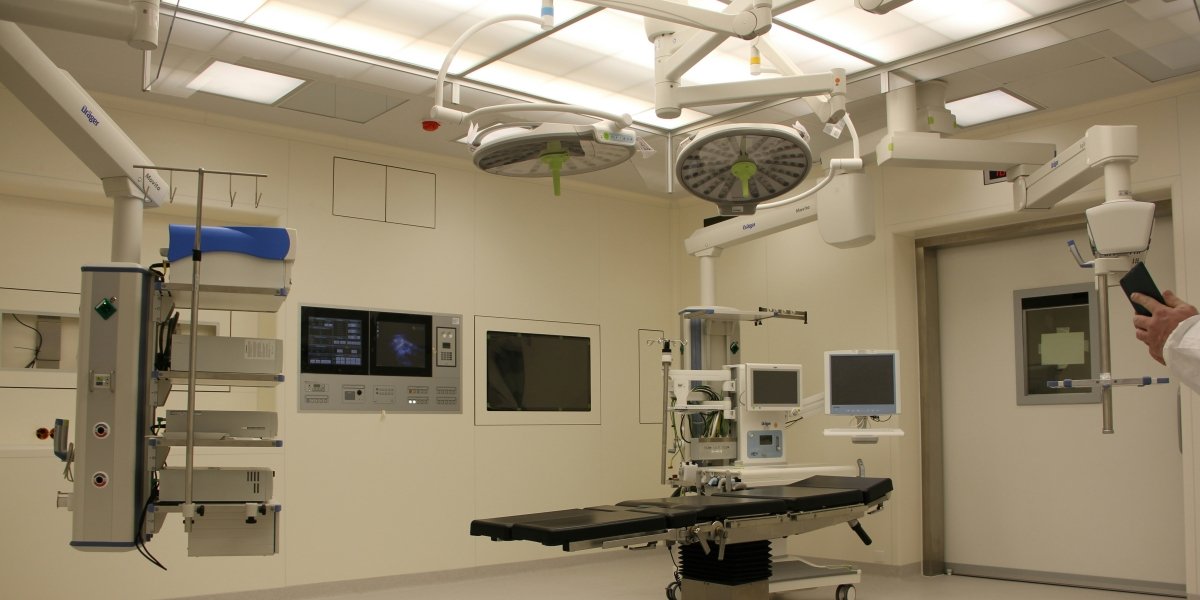
Integrated Operating Room: An integrated OR combines surgical lights, audio, video, and other core equipment into a single, centrally controlled system. This seamless integration streamlines workflow, improves efficiency, and enhances patient safety by allowing the entire team to visualise the procedure and patient data in real time.
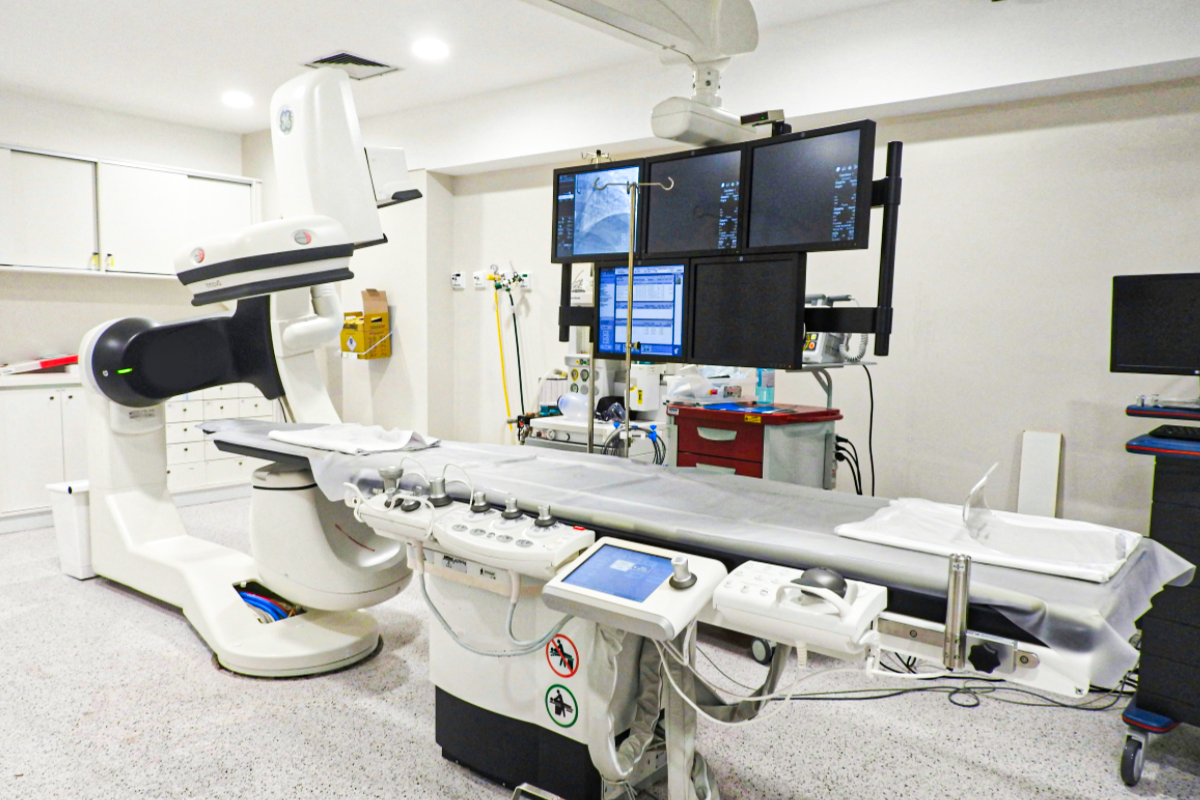
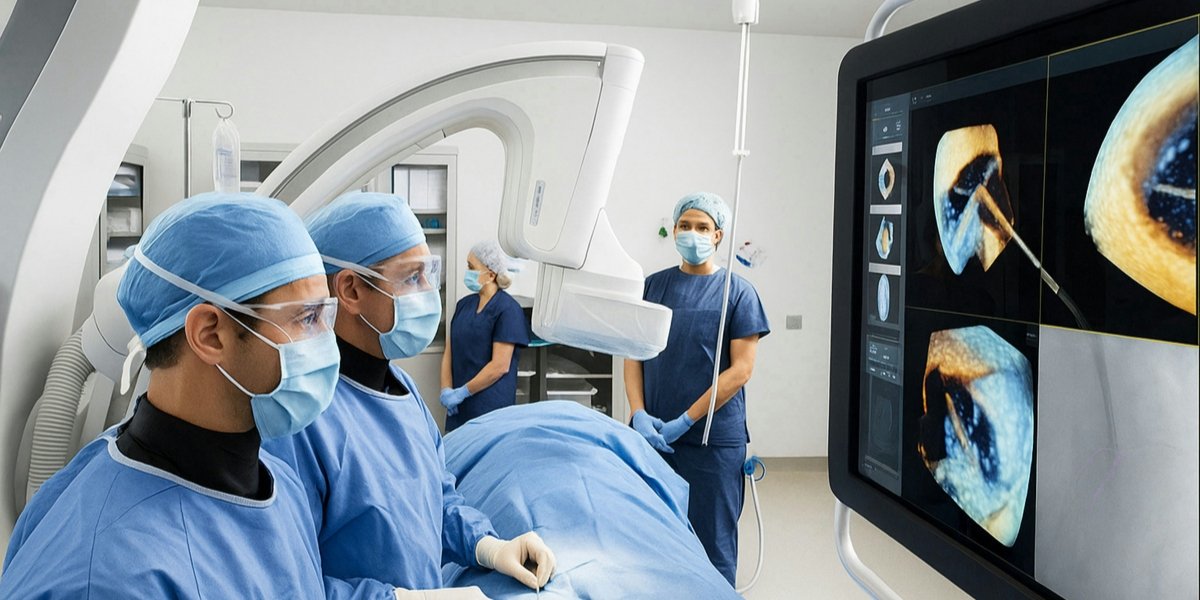
Hybrid Operating Room: A hybrid OR merges traditional surgical equipment with advanced imaging devices like CT scanners or C-arms. This allows for complex, image-guided procedures without moving the patient, significantly improving surgical precision and outcomes.
Digital Operating Room: The digital OR focuses on data. It integrates high-definition video, patient information, and real-time imaging into a central system. This facilitates informed decision-making, records data for post-operative analysis, and supports telemedicine and surgical training.
Essential Operating Theatre Equipment Checklist
Equipping an operating theatre requires a comprehensive array of specialised tools. Here is a checklist of the most critical operating theatre equipment:
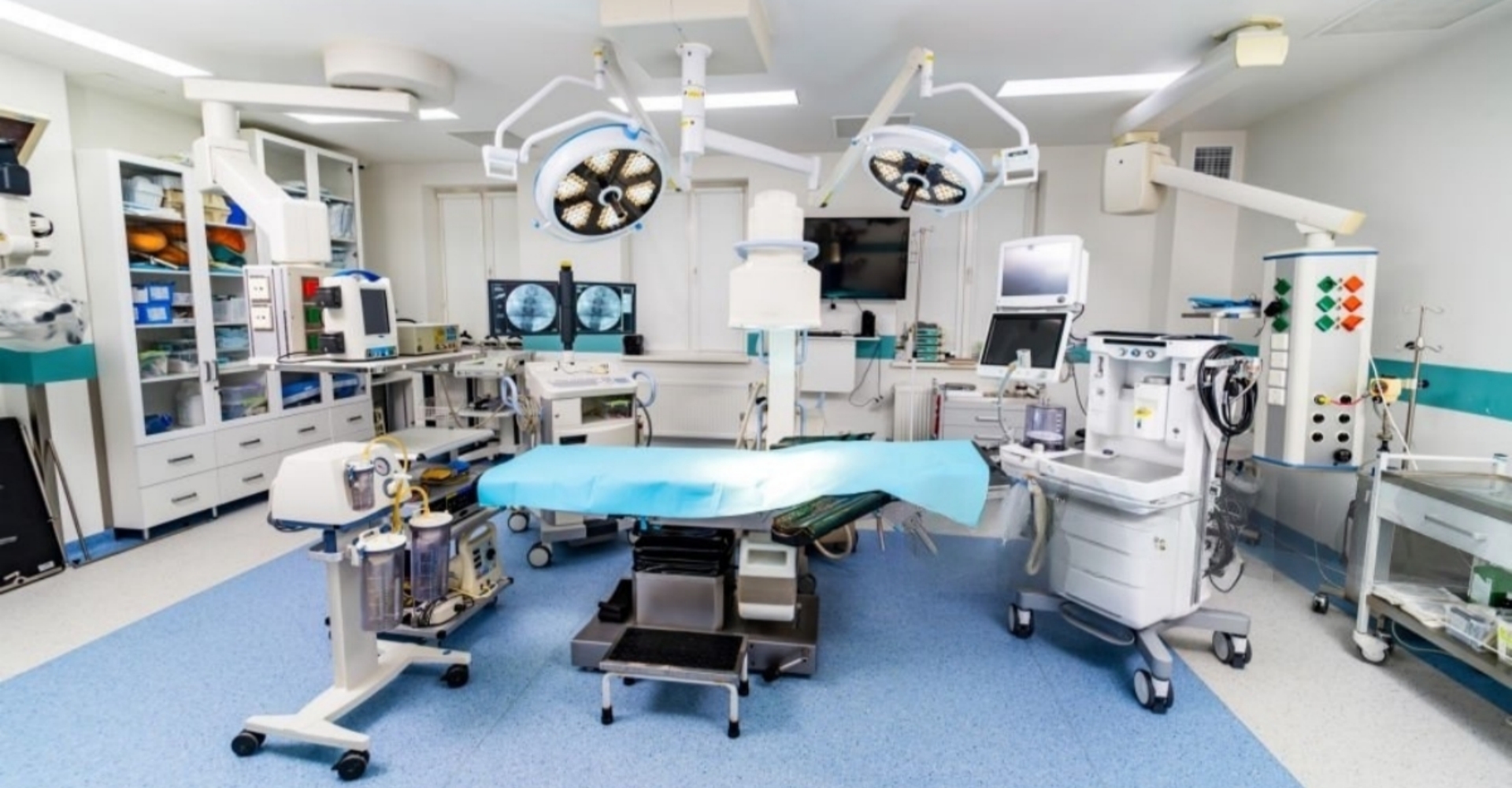
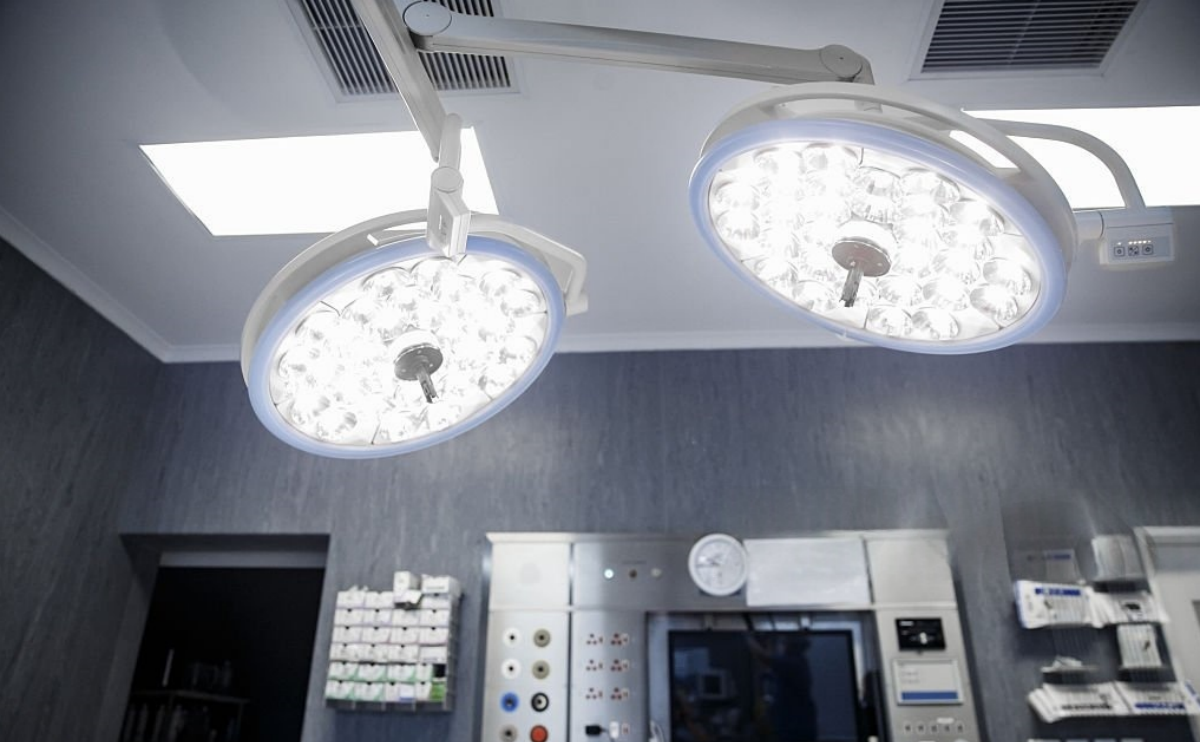
Surgical Lights: Provide shadow-free, brilliant illumination of the surgical site. Modern LED surgical lights offer superior colour rendition and emit less heat.
Operating Tables: Adjustable, sturdy tables that position the patient securely during procedures. Surgical table accessories are used for specific positioning needs.
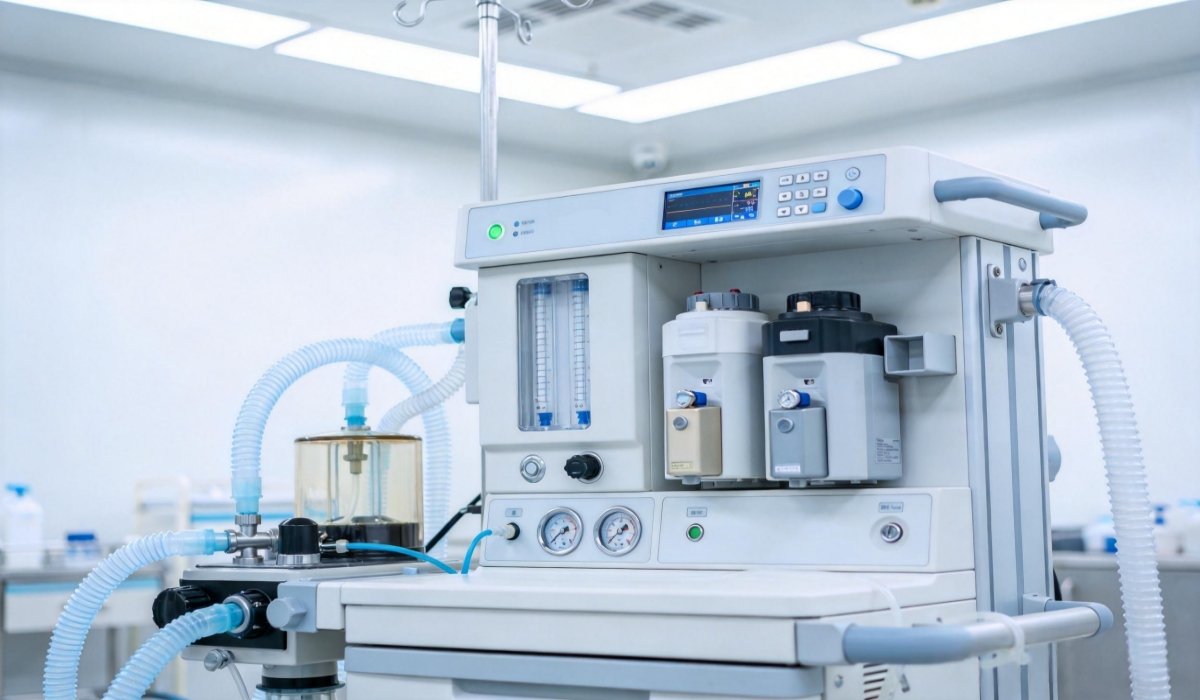
Anaesthesia Machines: Deliver a precise mixture of gases and anaesthetic agents to keep the patient safely sedated and monitored throughout surgery.
Surgical Booms (Equipment Management Systems): Ceiling-mounted booms organise and house equipment, electrical outlets, and gas lines. They reduce floor clutter, increase workspace, and enhance flexibility in the OR.
Surgical Displays & Monitors: High-definition and 4K surgical displays are critical for minimally invasive surgery, providing a clear, magnified view of the surgical site and patient vitals.
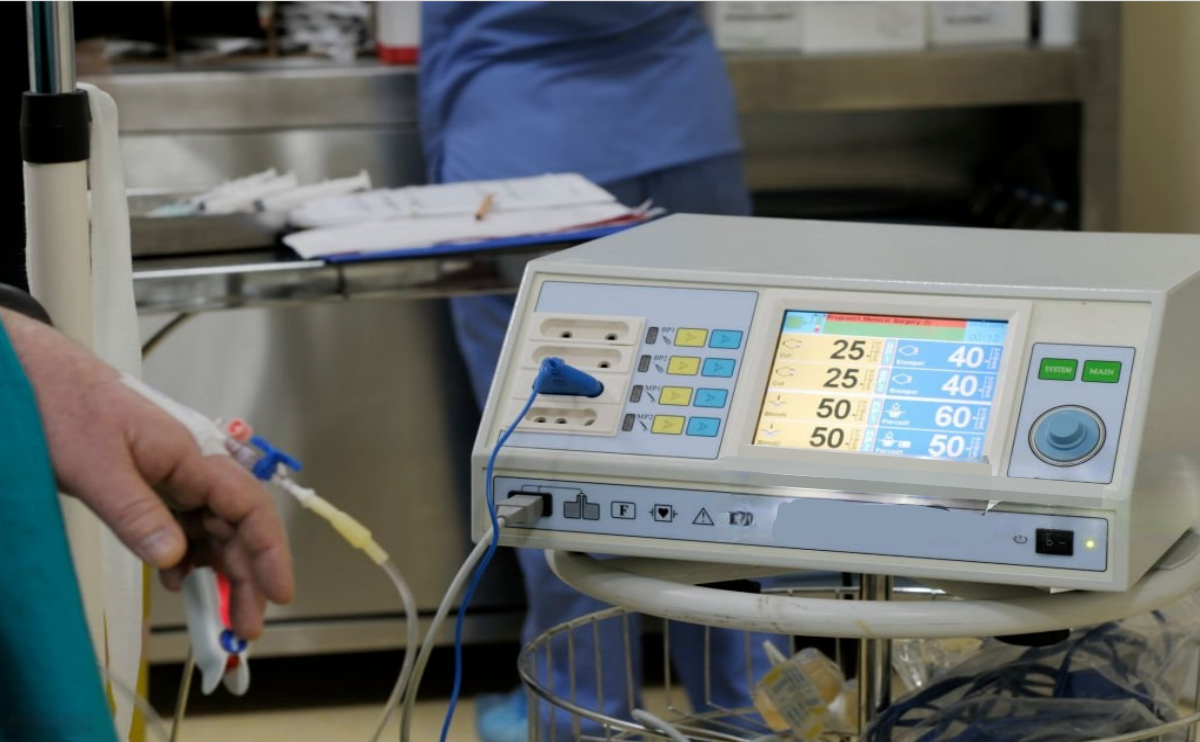
Electrosurgical Units: Used for cutting tissue and controlling bleeding (coagulation) during procedures.
Patient Monitors: Track the patient's vital signs—such as heart rate, blood pressure, and oxygen saturation—in real time.
Suction Machines & Pumps: Remove blood, bodily fluids, and smoke from the surgical field to maintain visibility and a clean operative site.
Sterilisation Equipment: Including autoclaves, to ensure all surgical instruments are disinfected and safe for use.
Key Features of Modern OT Equipment
When selecting operating theatre equipment, several key features define high-quality, modern solutions:
Precision and Accuracy: Equipment is engineered for reliability, with advanced technologies like robotic assistance enhancing surgical precision.
Advanced Imaging: High-definition cameras and 4K visualisation provide unparalleled clarity for complex procedures.
Ergonomics and User-Friendliness: Intuitive controls and ergonomic designs reduce surgeon fatigue and improve performance.
Connectivity and Integration: Modern equipment supports seamless integration with hospital networks and OR integration systems for efficient data sharing and workflow management.
Durability and Safety: Built to withstand rigorous use with robust safety features, including fail-safes and sterilisable surfaces.
Our Expertise
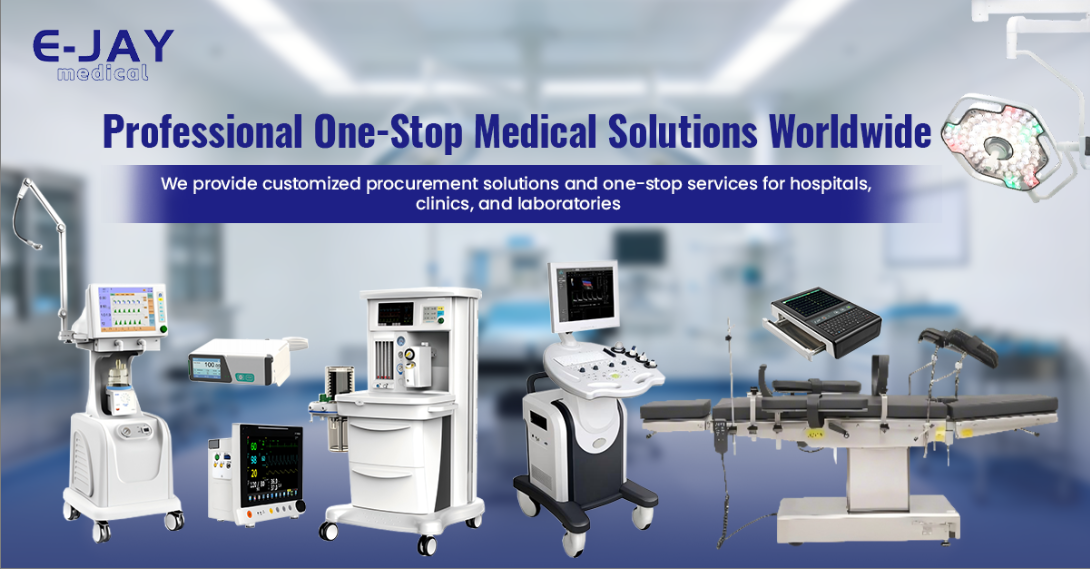
E-Jay Medical is deeply committed to providing reliable, advanced, and efficient integrated solutions for operating theatres and critical care departments. We continuously invest in research and development, keeping pace with the latest trends in medical technology to ensure our products and services meet the increasingly complex demands of modern healthcare environments.
As an innovator in the field of medical technology, we possess profound technical expertise and unique experience in ventilators, anesthesia machines, medical lighting, infusion pumps, and operating theatre solutions. We strive to create a safer, more convenient, and more efficient working environment for healthcare professionals.
E-Jay has become a trusted partner for numerous medical institutions worldwide. Our professional equipment is widely used in operating rooms, ICUs, and emergency resuscitation areas of hospitals at various levels. Supported by a comprehensive service network, we provide customers with timely and professional technical support and after-sales service.
One thought on “Operating Theatre Equipment(OR), A Complete Guide”