What is Urinalysis Analyzer: Types, Features, Applications

Urinalysis is a routine laboratory examination used in hospitals, diagnostic centers, outpatient clinics, and other healthcare facilities. A basic urine test can provide information about the physical and chemical characteristics of a specimen. When necessary, microscopic examination can provide additional information.
For a small clinic, manual urine testing may be sufficient. The situation is different when a laboratory handles a much larger number of specimens every day. Reading reagent strips, recording results, and repeating the same steps throughout a working shift can take considerable time. This is where a urinalysis analyzer can become useful.
Modern urinalysis equipment is available in several forms, from simple strip readers to automated systems designed for higher-volume laboratory work. The right choice depends on the laboratory's workload, test requirements, available space, and preferred level of automation.
What Is a Urinalysis Analyzer?
A urinalysis analyzer is a laboratory instrument used to examine urine samples. Depending on the model, it may read reagent strips, measure chemical characteristics of urine, or support urine particle analysis.
With manual testing, laboratory staff normally perform most of the process themselves. The sample has to be prepared, the reagent strip needs to be processed and read, and the results must then be recorded.
An automated urine analyzer takes over some of these repetitive tasks. This can make a difference in a laboratory where urine samples are processed continuously throughout the day.
Common urinalysis parameters include:
- Glucose
- Protein
- Blood
- Leukocytes
- Nitrite
- pH
- Specific gravity
- Ketones
- Bilirubin
- Urobilinogen
The available test menu varies between products. When comparing a urine analyzer machine, buyers should therefore check the actual parameters, reagents, throughput, and testing method rather than relying only on the product name.
What Is a Urine Analyzer Machine Used For?
A urine analyzer machine is mainly used to simplify routine urine testing.
Many systems can automatically read reagent strips and generate test results. Depending on the instrument, results may also be stored, printed, or transferred to a laboratory information system.
For laboratory staff, the practical benefits can include:
- Less repetitive manual work
- Faster processing of routine samples
- More consistent strip reading
- Easier result recording
- Better organization of the testing workflow
- Digital result storage
- Reduced reliance on visual interpretation
Automation does not remove the need for trained laboratory personnel. Quality control, result review, and handling of unusual specimens remain important parts of the testing process.
Types of Urinalysis Equipment
There are several types of urinalysis instruments, and each suits a different working environment.
1. Manual Urinalysis Equipment
Manual testing may involve reagent strips, urine containers, pipettes, slides, coverslips, centrifuges, and a microscope for urinalysis.
It remains practical for facilities with a relatively small workload or laboratories that need to perform additional examination on individual specimens.
The main limitation is staff involvement. As sample volume increases, manual testing can become increasingly time-consuming.
2. Semi-Automated Urine Analyzers
A semi-automated urine analyzer handles part of the testing process while the operator continues to prepare or load specimens.
For smaller laboratories, this can be a practical alternative to a completely manual workflow. It reduces some repetitive work without requiring a more complex automated platform.
3. Automated Urinalysis Machines
An automated urinalysis machine handles a larger part of routine testing with limited operator intervention.
Depending on the model, automation can include reagent-strip reading, result calculation, data storage, and reporting. Some urinalysis machines can also support urine particle or sediment analysis.
This type of system becomes particularly useful when the laboratory has a steady flow of urine specimens and wants to reduce repetitive manual procedures.
4. Integrated Urine Analysis Systems
More comprehensive urinalysis testing equipment can combine chemical urine analysis with particle or sediment analysis.
This approach may be suitable for larger laboratories where several stages of urine testing are performed every day. Smaller facilities may not need such a system if routine chemical testing covers most of their requirements.
How Does an Automated Urinalysis Machine Work?
The exact workflow varies between manufacturers, but the general process follows several familiar stages.
Step 1: Urine Sample Collection
The process begins with an appropriately collected and identified urine specimen.
Correct labeling is essential. The laboratory should also follow its established procedures for sample collection, storage, transportation, and preparation.
Step 2: Sample Preparation
The amount of preparation depends on the analyzer.
Some systems require the specimen to be mixed before testing, while other urine testing equipment is designed to reduce manual preparation.
For a high-volume laboratory, even small differences in sample handling can affect the amount of staff time required each day.
Step 3: Chemical Urine Analysis
For reagent-strip testing, the urine reacts with different chemical areas on the strip.
The analyzer detects these reactions and converts them into test results. Depending on the system, parameters can include protein, glucose, blood, leukocytes, nitrite, pH, and specific gravity.
Automated reading also reduces the need for technicians to visually interpret every color change.
Step 4: Urine Particle or Microscopic Analysis
Chemical testing is not the same as urine microscopy.
Some urinalysis analyzers include particle-analysis functions, while other laboratory workflows use a separate microscope for urine analysis.
Microscopic examination may be used to identify red blood cells, white blood cells, epithelial cells, casts, crystals, yeast, and other urinary particles.
Chemical Urinalysis vs. Microscopic Urinalysis
Chemical urine testing and microscopic examination provide different types of information.
Chemical testing commonly uses reagent strips to evaluate parameters such as:
- pH
- Protein
- Glucose
- Blood
- Ketones
- Nitrite
- Leukocytes
- Specific gravity
Microscopic urinalysis focuses on formed elements and particles in urine sediment.
For this reason, a laboratory may use chemical testing as the initial examination and perform microscopy when additional investigation is required.
What Is Urinalysis With Reflex Microscopic?
A urinalysis with reflex microscopic workflow starts with an initial urine test. If the result meets predefined criteria, microscopic examination is then performed.
You may see similar terminology in laboratory systems, including:
- Urinalysis with reflex microscopy
- Urinalysis with reflex to microscopic
- Urinalysis with reflex micro
- Urinalysis w/reflex micro
- Urinalysis auto w/rflx scope
- Urinalysis macroscopic w reflex micro
The exact criteria for reflex testing are established by the laboratory and may differ between institutions.
What Does Urinalysis Without Microscopy Mean?
Urinalysis without microscopy means the testing procedure does not include a separate microscopic examination of urine sediment.
Related terms include:
- Urinalysis without micro
- Urinalysis without scope
- Urinalysis auto without scope
- Urinalysis auto w/o scope
- Urinalysis nonauto w/o scope
These phrases can appear in laboratory information systems and test-ordering menus. They should not be treated as universal product names.
How to Choose a Urinalysis Analyzer
The right urinalysis analyzer should solve a laboratory's actual workflow requirements rather than simply offer the longest list of features.
1. Check the Test Menu
Make sure the analyzer supports the parameters routinely required by the laboratory.
2. Match the Sample Volume
A small outpatient clinic does not need the same throughput as a large hospital laboratory. Capacity should be matched to real daily workload.
3. Consider Automation
Look at which manual steps the system can remove. Strip reading, sample handling, result storage, and reporting may all differ between models.
4. Check Microscopy Requirements
If urine sediment examination is part of the workflow, determine whether the analyzer provides particle analysis or whether a separate microscope is required.
5. Look at Data Connectivity
For larger facilities, compatibility with laboratory information systems can be an important part of equipment selection.
6. Calculate the Running Cost
Reagents, consumables, calibration, maintenance, spare parts, training, and technical support all contribute to the long-term cost of an analyzer.
7. Review Regulatory Documentation
Regulatory requirements depend on the product and destination market. Buyers should confirm the intended use, applicable certificates or registrations, instructions for use, and other documentation for the specific model.
E-Jay Medical Urinalysis and Laboratory Solutions
E-Jay Medical provides laboratory equipment for hospitals, clinics, diagnostic facilities, distributors, and other healthcare projects.
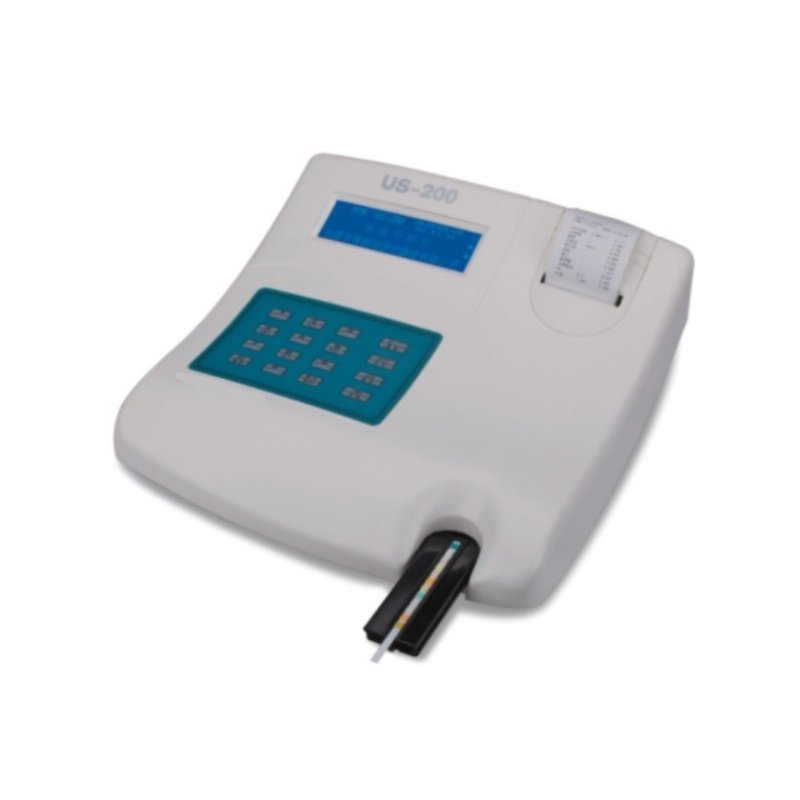
For routine urine analysis, the MTN-US-200 Urine Clinical Analyzer is one of the urine-testing solutions available from E-Jay Medical. Its dedicated configuration makes it suitable for facilities looking for equipment for routine laboratory urine analysis.
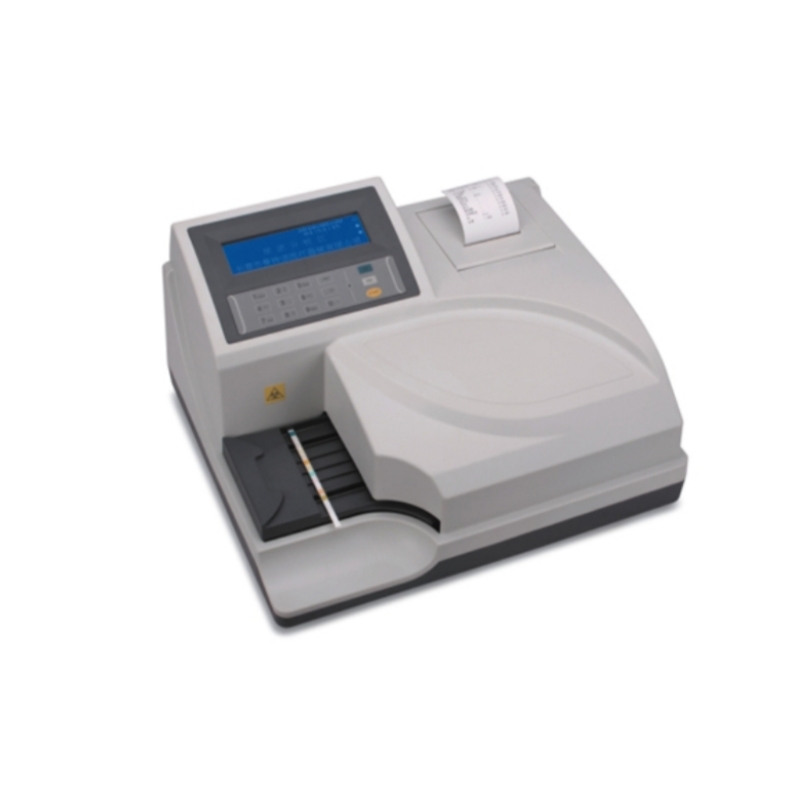
Another option is the MTN-US-300 Urine Clinical Analyzer, providing a different configuration within E-Jay Medical's urine analyzer range. It can be considered by laboratories and medical distributors according to their testing requirements and workflow.
E-Jay Medical also supplies the MTN-6000 Electrolyte Analyzer. Although it is designed for electrolyte analysis rather than urine analysis itself, it can complement a laboratory equipment portfolio where multiple types of routine testing are required.
For international procurement, product specifications, intended use, regulatory documentation, consumables, and service arrangements should be confirmed for the specific model and destination market.
Frequently Asked Questions
Is a microscopic urinalysis considered a low complexity test? Why?
Do you need a certification to perform a urine microscopic test?
What is a urinalysis auto w/scope?
How good is a urinalysis microscope?