Who Should Monitor Blood Pressure at Home?

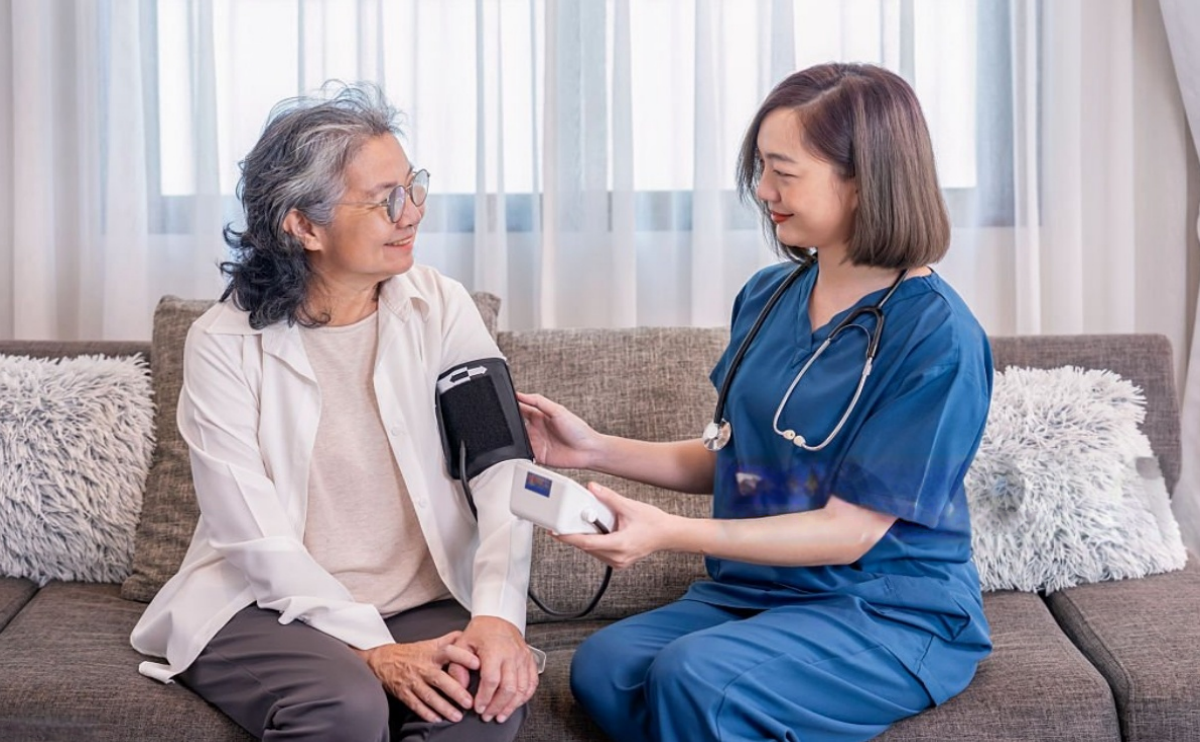
According to the American Heart Association (AHA) recommendations, home blood pressure monitoring is crucial for all individuals with hypertension, as it helps healthcare professionals determine if a treatment plan is effective. Monitoring your blood pressure at home can also aid in confirming a diagnosis of high blood pressure. Determining whether you belong to the following groups is the first step in deciding if you need to invest in a home blood pressure monitor:
Individuals Diagnosed with Hypertension: This is the primary group for home monitoring. Regular tracking provides continuous, dynamic data for doctors to evaluate medication efficacy and adjust treatment plans, offering far greater value than occasional single readings at a clinic.
People with Prehypertension or High Risk: Those with a family history, diabetes, kidney disease, or who are overweight can benefit from periodic monitoring to detect abnormalities early and initiate timely intervention.
Individuals in Specific Physiological Stages: Such as pregnant women (monitoring for gestational hypertension) and the elderly (managing age-related blood pressure trends).
Patients Under Treatment Observation: When starting or adjusting a hypertension management plan, intensive home monitoring of blood pressure can provide rapid feedback on treatment effectiveness.
The core purpose of home monitoring is to obtain more authentic and reproducible blood pressure data in a familiar environment to support clinical decision-making, not to replace professional medical care. Regardless of the readings, never adjust medication on your own.
How to Read Blood Pressure
A blood pressure reading consists of two numbers; understanding their meaning is fundamental to self-health management:
Systolic Pressure (Top Number): The maximum pressure exerted by blood against the artery walls when the heart contracts.
Diastolic Pressure (Bottom Number): The minimum pressure sustained by the artery walls when the heart rests between beats.
A standard healthy reading is typically below 120/80 mmHg. Sustained readings above this range indicate a need for attention. The value of an excellent home blood pressure monitor lies in its ability to provide these two key data points stably and accurately. Some devices paired with an app for blood pressure monitoring can help visualize long-term trends, making health changes clear at a glance.
How to Take Blood Pressure Accurately
The accuracy of a blood pressure measurement is 30% dependent on the device and 70% on standardized operation. Even if you own the most accurate blood pressure monitor, improper use can distort the data. Please follow these golden steps:
Prepare: Avoid smoking, consuming caffeine, or strenuous exercise for 30 minutes before measurement. Sit quietly and rest for 5 minutes.
Posture: Sit with your back straight against the chair, feet flat on the floor. Place your arm on a table, ensuring the center of the cuff is at heart level.
Apply the Cuff: Use a cuff of the correct size (after wrapping it around the upper arm, you should be able to fit 1-2 fingers under the edge). Place it directly on the skin of your upper arm.
Measure: Remain quiet and do not speak during the measurement. Press the start button on your automatic blood pressure monitor.
Record: It is recommended to take 2-3 consecutive measurements, one minute apart, and record the average. Consistent logging is more important than a single value.
For most households, an internationally validated automatic upper-arm electronic blood pressure monitor is the preferred choice for obtaining reliable data. For example, our Arm Electronic Blood Pressure Monitor UR-U81K, designed specifically for home use, is easy to operate and helps you obtain trustworthy readings effortlessly.
How to Use a Wrist Blood Pressure Monitor
Wrist blood pressure monitors are favored for their portability, but their accuracy is highly dependent on strict adherence to operating standards, particularly keeping the wrist level with the heart. This is the main difference from upper-arm devices.
Key Steps for Correct Use of a Wrist Blood Pressure Monitor:
Heart Level is Paramount: Sit down, support your elbow on a table, gently bend the wrist wearing the device inward and place it against your chest, ensuring the device sensor is at heart level. A pillow can be used to aid support and positioning.
Correct Placement: Position the cuff about 1-2 cm above the wrist bone (on the thumb side), with a snug but comfortable fit.
Remain Still: Keep your body relaxed and your arm and wrist absolutely still during the measurement.
Understand the Limitations: For patients with arrhythmia or poor circulation, the margin of error with wrist monitors may be greater.
If your lifestyle demands extreme portability and you can strictly adhere to the above measurement posture, then choosing a well-designed wrist device is a viable option. Our Digital Wrist Blood Pressure Monitor UR-U60E and UR-U60BH-E01 are engineered for precision and can provide a convenient monitoring experience for users who prioritize portability.

Our Expertise
E-Jay Medical is deeply committed to providing reliable, advanced, and efficient integrated solutions for operating theatres and critical care departments. We continuously invest in research and development, keeping pace with the latest trends in medical technology to ensure our products and services meet the increasingly complex demands of modern healthcare environments.
As an innovator in the field of medical technology, we possess profound technical expertise and unique experience in ventilators, anesthesia machines, medical lighting, infusion pumps, and operating theatre solutions. We strive to create a safer, more convenient, and more efficient working environment for healthcare professionals.
E-Jay has become a trusted partner for numerous medical institutions worldwide. Our professional equipment is widely used in operating rooms, ICUs, and emergency resuscitation areas of hospitals at various levels. Supported by a comprehensive service network, we provide customers with timely and professional technical support and after-sales service.