In the Medical Term “Endoscope”: What the Prefix Means

How Does a Medical Endoscope Work?
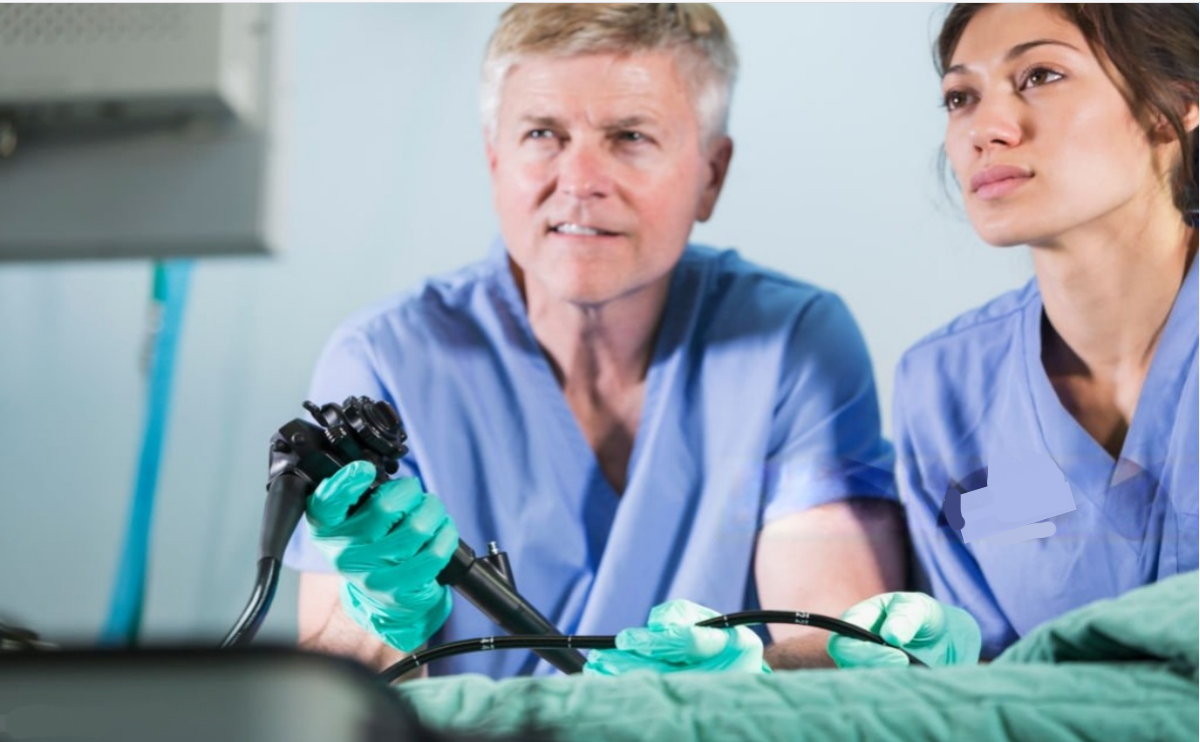
A medical endoscope is a sophisticated endoscope medical device that functions as an extension of the physician's vision. Its operation is a marvel of optical and electronic engineering, centered around four key components working in unison.
Illumination: The procedure begins with a powerful, cool light source. A high-quality LED Medical 100W Light Source Unit SN-LN-C703G, generates intense light that is transmitted through a bundle of optical fibers running the length of the flexible insertion tube. This illuminates the internal cavity without generating heat that could damage tissue.
Image Capture: The light reflects off the internal tissues and is captured by a lens at the tip of the scope. In modern video endoscopes, this image falls onto a miniature medical endoscope camera sensor (a CCD or CMOS chip). This sensor acts as the device's "retina," converting the optical image into an electrical signal.
Image Processing & Transmission: The electrical signal is sent through the scope to a video processor. This is the "brain" of the system, where the image is enhanced, color-corrected, and converted into a high-definition video stream. Advanced systems, such as our 4K Medical Endoscope Camera System HJ-GEV-610, provide exceptional clarity and detail, which is crucial for accurate diagnosis. For comprehensive procedure documentation, systems can be paired with a device like our 4K Dual-Lens Pure Video Recorder SN-LN-C703LH.
Display & Documentation: The final, real-time video is displayed on a high-resolution monitor. For record-keeping, teaching, or consultation, the procedure can be seamlessly recorded using a device like our 4K Dual-Lens Pure Video Recorder.
How Do Endoscopes Work in Medical Diagnosis? From Visualization to Intervention
The diagnostic power of endoscopes in medical diagnosis extends far beyond simple observation. They are transformative tools that enable direct assessment, sampling, and even treatment.
Direct Visual Diagnosis: The physician can directly inspect the mucosa of organs—such as the gastrointestinal tract, airways, or ENT regions—for color, texture, vascular patterns, inflammation, ulcers, polyps, or tumors. For example, like our Fiber ENT Bronchoscope OJH-GBS-9, a Fiber ENT Bronchoscope allows for detailed examination of the delicate structures in the sinuses, throat, and bronchi.
Tissue Sampling (Biopsy): When a suspicious area is identified, the endoscope's working channel allows the physician to pass tiny forceps to take a tissue sample (biopsy). This sample is then sent for pathological analysis, which is the definitive method for diagnosing conditions like cancer.
Advanced Imaging & Therapeutic Procedures: Modern endoscopes integrate technologies like Narrow Band Imaging (NBI) to highlight abnormal blood vessels associated with early-stage cancers. Furthermore, they serve as conduits for therapeutic tools to perform procedures like polyp removal, stent placement, or stop bleeding—all without major surgery. 3-in-1 Rigid-Flexible Endoscope HH-HD-340 can adapt to various clinical scenarios.
Where to Buy a Medical Endoscope: A Guide to Selecting the Best Equipment
For healthcare providers looking to source a medical endoscope, knowing where to buy reliable equipment from reputable medical endoscope camera manufacturers and suppliers is as critical as understanding the technology itself. Selecting the best medical endoscope for your facility involves a strategic evaluation.
Define Your Clinical Needs: Identify the primary applications (e.g., gastroenterology, pulmonology, urology, general surgery). A versatile option like a 3-in-1 Rigid-Flexible Endoscope can be a cost-effective solution for facilities needing to cover multiple diagnostic areas.
Evaluate Core Technical Specifications:
Image Quality: Prioritize resolution (HD, 4K), color fidelity, and low-light performance. This is directly determined by the endoscope camera medical sensor and processor quality.
Durability & Ergonomics: Consider the build quality of the insertion tube, resistance to damage, and ease of handling and reprocessing (cleaning/disinfection).
System Compatibility: Ensure the scope and camera are compatible with your existing video processors and light sources, or plan for a complete system upgrade.
Partner with a Trusted Supplier: Beyond the product, choose a medical endoscope camera supplier that offers comprehensive support: expert pre-sales consultation, thorough training, reliable after-sales service, and consistent access to accessories and repair services. As a dedicated partner to the global medical community, we provide integrated solutions—from cutting-edge camera systems and specialized scopes to essential peripherals like light sources—ensuring you have the right tools for excellence in patient care.

Our Expertise
E-Jay Medical is deeply committed to providing reliable, advanced, and efficient integrated solutions for operating theatres and critical care departments. We continuously invest in research and development, keeping pace with the latest trends in medical technology to ensure our products and services meet the increasingly complex demands of modern healthcare environments.
As an innovator in the field of medical technology, we possess profound technical expertise and unique experience in ventilators, anesthesia machines, medical lighting, infusion pumps, and operating theatre solutions. We strive to create a safer, more convenient, and more efficient working environment for healthcare professionals.
E-Jay has become a trusted partner for numerous medical institutions worldwide. Our professional equipment is widely used in operating rooms, ICUs, and emergency resuscitation areas of hospitals at various levels. Supported by a comprehensive service network, we provide customers with timely and professional technical support and after-sales service.