What Is a Ventilator?


What is a Ventilator?
What Does Positive Pressure Ventilation Mean? Definition and Principles
Positive pressure ventilation is the cornerstone of modern mechanical ventilation. Its principle involves a positive pressure ventilator actively applying pressure higher than atmospheric pressure to deliver a gas mixture into the patient's lungs via an artificial airway (endotracheal tube or tracheostomy tube) or interface (mask), thereby completing the inspiratory phase. Exhalation occurs passively, primarily relying on the elastic recoil of the lungs and chest wall. This differs fundamentally from the human body's physiological negative-pressure ventilation mode.
What is the Main Problem with Positive Pressure Ventilation?
Despite being a core life-support measure, positive pressure ventilation itself carries defined clinical risks. Its primary issue is Ventilator-Associated Lung Injury (VALI), including barotrauma, volutrauma, and atelectrauma. To mitigate these injuries, various ventilator modes and sophisticated parameter-setting strategies have been developed in clinical practice.
Among these, the setting of Positive End-Expiratory Pressure (PEEP) is crucial. By maintaining alveoli in an open state throughout the respiratory cycle, PEEP effectively increases functional residual capacity, improves oxygenation, and reduces shear stress injury caused by repeated alveolar opening and closing. Therefore, understanding the role of PEEP in mechanical ventilation and appropriately setting the PEEP value on a ventilator is a central component of implementing a lung-protective ventilation strategy.
Respiratory vs Ventilation
Respiratory vs Ventilation: Understanding the Distinction
To clarify this critical distinction in clinical settings:- Respiratory System: The body’s natural structure and function for gas exchange, including the airways, lung tissue, chest wall, and the neuromuscular systems that control breathing.
- Mechanical Ventilation: A life-support technique that uses an external ventilator machine to handle or assist gas exchange for patients with respiratory system failure.
Ventilator Classification and Selection for Clinical Scenarios
Based on different treatment environments and patient needs, ventilators are primarily categorized as follows:
Intensive Care Unit (ICU) Ventilators: Designed for complex respiratory failure management within the ICU. These devices, such as our high-performance CWH-3010 Intensive Care Ventilator, offer comprehensive ventilator modes (e.g., VCV, PCV, SIMV, PSV) and advanced monitoring functions to address the most challenging clinical situations.
Emergency & Transport Ventilators: Emphasize portability, built-in gas supply, and long battery life, used for pre-hospital emergency care and intra-hospital patient transport. Our Emergency Ventilator AB-T7 is a reliable portable ventilator designed for such scenarios.
Homecare Ventilators: Primarily used for long-term home-based rehabilitation of patients with chronic respiratory insufficiency, categorized into non-invasive and invasive types. For instance, our Boaray 5000D Home Ventilator and T50 Ventilator are designed with greater emphasis on ease of operation, comprehensive safety alarms, and patient comfort, aiming to improve the quality of life for patients requiring long-term home ventilation.
Conclusion
From ICU ventilators that treat conditions like ARDS, to portable models that stabilize patients during transport, to homecare devices that enable at-home management—ventilator tech is a cornerstone of modern medicine. For medical teams to use this tool safely and effectively, they need a solid grasp of how ventilators work, positive pressure principles, and complication prevention. We’re dedicated to providing reliable ventilation solutions for every scenario, supporting healthcare professionals worldwide.
Our Expertise
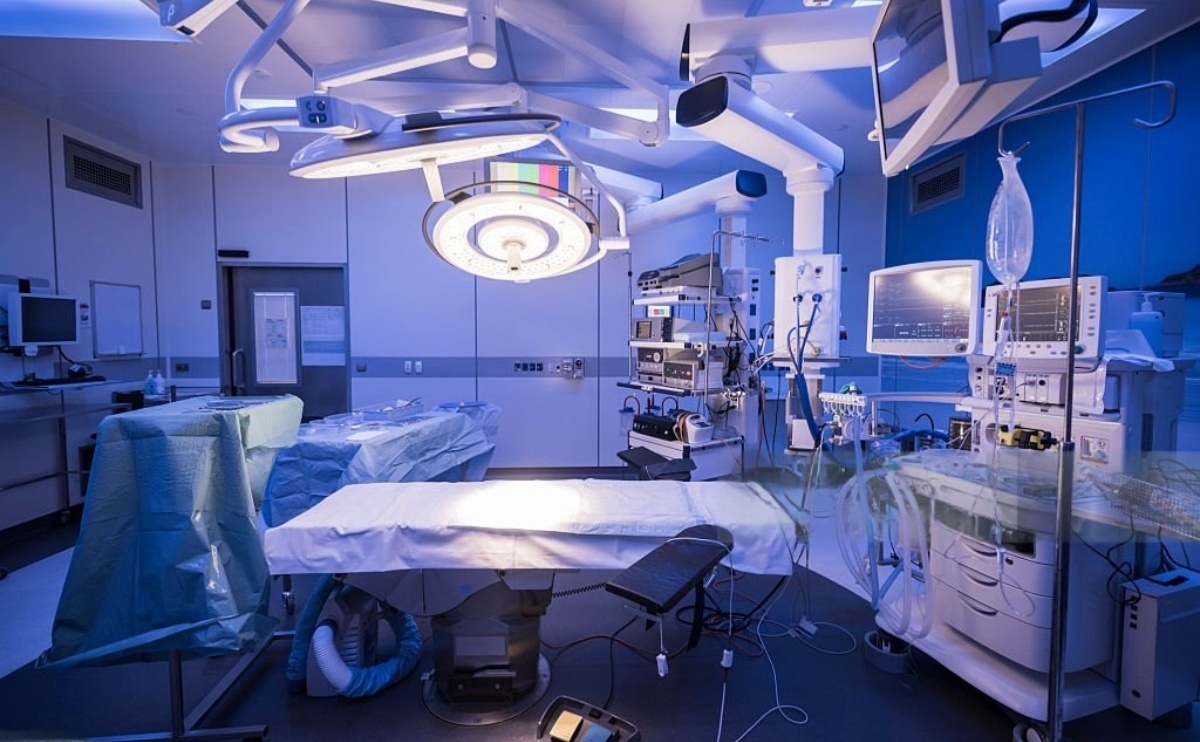
E-Jay Medical is deeply committed to providing reliable, advanced, and efficient integrated solutions for operating theatres and critical care departments. We continuously invest in research and development, keeping pace with the latest trends in medical technology to ensure our products and services meet the increasingly complex demands of modern healthcare environments.
As an innovator in the field of medical technology, we possess profound technical expertise and unique experience in ventilators, anesthesia machines, medical lighting, infusion pumps, and operating theatre solutions. We strive to create a safer, more convenient, and more efficient working environment for healthcare professionals.
E-Jay has become a trusted partner for numerous medical institutions worldwide. Our professional equipment is widely used in operating rooms, ICUs, and emergency resuscitation areas of hospitals at various levels. Supported by a comprehensive service network, we provide customers with timely and professional technical support and after-sales service.