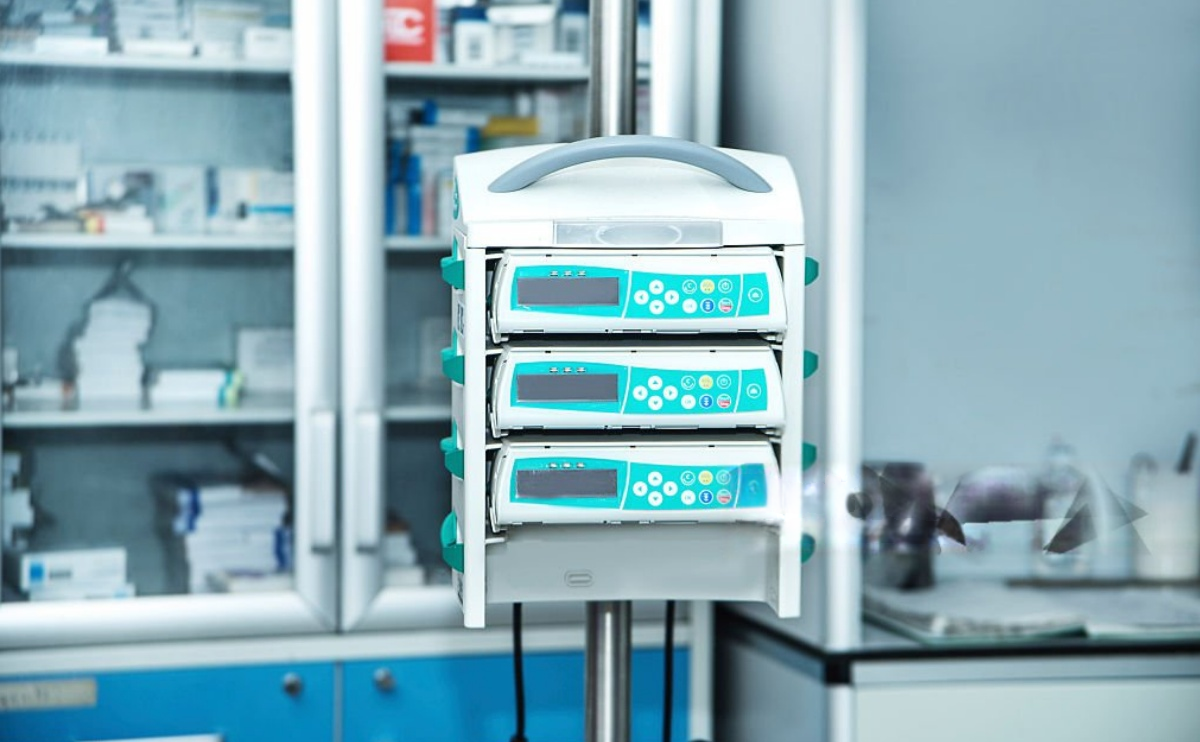
Patient Monitor|ECG, SpO2 | Medical Equipment


Comprehensive Guide to Essential Patient Monitoring Solutions
In the fast-paced medical field, accurate and real-time patient data forms the cornerstone of effective treatment, timely interventions, and improved patient outcomes. This is where a patient monitor—a critical category of medical equipment—plays its role. Among the key functions that define modern patient monitors, Electrocardiography (ECG) and Pulse Oximetry (SpO2) are indispensable, enabling healthcare providers to accurately track vital cardiac and respiratory health indicators. Whether in hospitals or clinics, a patient monitor equipped with ECG and SpO2 capabilities has become an essential tool for healthcare professionals worldwide. And when it comes to reliable options, a Contec patient monitor is often a top choice for many institutions.
What is a Patient Monitor? Why are ECG and SpO2 Critical?
A patient monitor is a specialized medical equipment designed to continuously or periodically measure, display, and record a patient's vital signs and physiological parameters. Its primary objective is to alert medical teams to any abnormal changes in a patient's condition, facilitating rapid responses to potential emergencies such as arrhythmias or low blood oxygen levels. A patient monitor vital signs monitor for hospital takes this a step further, integrating multiple vital sign tracking for comprehensive in-hospital care.
The two most critical parameters tracked by patient monitors are:
- ECG (Electrocardiography): This function records the electrical activity of the heart, providing information about heart rate, rhythm, and overall myocardial health. The ECG function on a patient monitor helps detect irregularities such as atrial fibrillation, bradycardia (abnormally slow heart rate), or tachycardia (abnormally fast heart rate)—all of which can indicate life-threatening conditions if left untreated.
- SpO2 (Pulse Oximetry): This non-invasive function measures the oxygen saturation level in a patient's arterial blood (typically expressed as a percentage, with 95-100% considered normal) and their pulse rate. SpO2 monitoring is crucial for patients with respiratory conditions (such as COPD or pneumonia), post-surgical recovery patients, or critically ill patients, as it quickly identifies hypoxemia (low blood oxygen)—a condition that can damage organs if not promptly treated.
Together, ECG and SpO2 transform basic patient monitors into lifelines, ensuring healthcare providers maintain comprehensive awareness of a patient's cardiac and respiratory status at all times. And for enhanced mobility and convenience, a portable patient monitor allows for easy transport while still delivering accurate ECG and SpO2 readings.
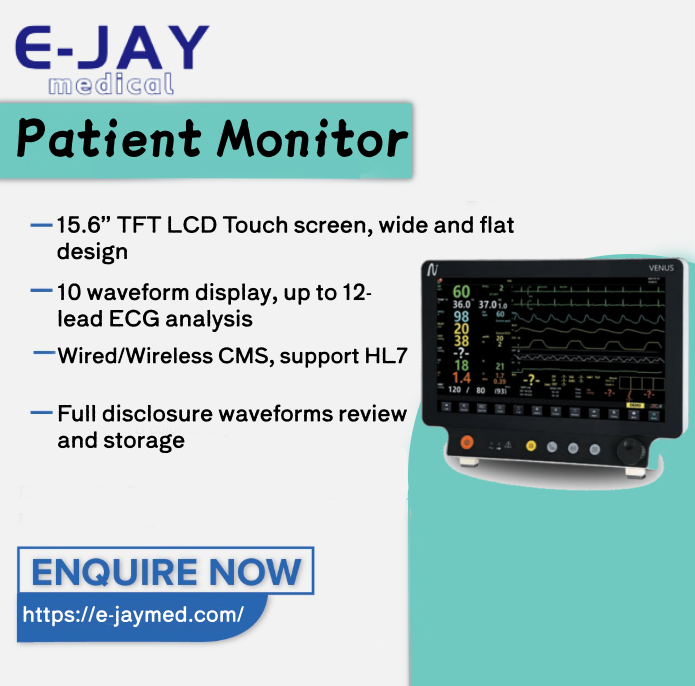
Main Types of Patient Monitors for Different Healthcare Environments
Patient monitors are not one-size-fits-all. Medical equipment manufacturers design specialized models to meet the unique needs of different healthcare environments, each integrating ECG and SpO2 capabilities (often with additional parameters such as blood pressure, temperature, or capnography). Below are the most common types, tailored to various usage scenarios:
1. Bedside Patient Monitors: Workhorses of In-Hospital Care
Bedside patient monitors are the most common type of patient monitor in hospitals and clinics—sometimes referred to as "cot side patient monitoring systems" in certain regions. These stationary, high-performance devices are placed directly beside patients' beds in wards, intensive care units (ICUs), or emergency departments (EDs), providing continuous, real-time data on ECG, SpO2, and other vital signs. A trolley for patient monitor multi-parameter can be used to move and position these monitors as needed, enhancing their usability.- Key features of bedside patient monitors include:
- Large, high-resolution displays for easy viewing by nurses and doctors.
- Integration with hospital networks (Electronic Health Record systems) for automatic data logging, reducing manual documentation errors.
- Alerts (visual, auditory, or both) for abnormal ECG rhythms or low SpO2 levels, ensuring no critical changes go unnoticed.
- Compatibility with additional sensors (e.g., blood pressure cuffs, temperature probes) to track a full range of vital signs.
For example, in an ICU, a bedside patient monitor with ECG and SpO2 capabilities continuously tracks post-surgical patients' heart rates and oxygen levels, triggering alerts if SpO2 drops below 90% or if ECG shows signs of myocardial ischemia (reduced blood flow to the heart). This enables immediate intervention by the care team—such as adjusting oxygen delivery or administering medication. And a patient monitor trolley can help transport necessary equipment alongside the monitor for efficient care.
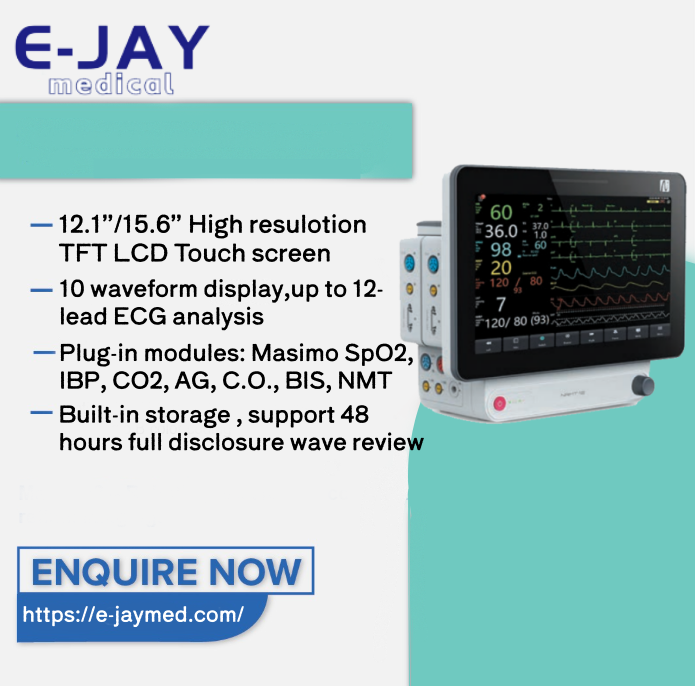
2. Portable Patient Monitors: Flexibility for Mobile Care
- Ward rounds, where doctors need to quickly check multiple patients' vital signs using a portable patient monitor.
- Outpatient clinics, where patients may not require prolonged monitoring but still need ECG or SpO2 assessments with a portable patient monitor.
- Urgent care facilities, where rapid triage depends on immediate access to cardiac and oxygen data via a portable patient monitor.
Portable patient monitors typically include rechargeable batteries, durable designs, and wireless connectivity for data sharing with central systems—combining convenience with the accuracy of larger bedside models. And for dental settings, a wireless dental stand 15 inch patient monitor offers specialized support.
How to Choose the Right Patient Monitor?
When selecting a patient monitor, it is essential to focus on three core requirements in combination with the product features of medical device manufacturers:
- Scenario Adaptation: For critical care settings such as the ICU, choose bedside monitors that emphasize continuous monitoring and multi-parameter integration. For outpatient clinics or ward rounds, opt for portable devices that prioritize lightweight design and battery life.
- Compliance and Accuracy: The device must comply with global medical standards such as FDA, CE, and ISO. Key aspects like the arrhythmia detection algorithm in ECG and the rapid response capability of SpO2 directly impact monitoring accuracy.
- Ease of Use: Prioritize monitors with intuitive interfaces and easy-to-apply sensors (e.g., ECG leads, SpO2 probes) to reduce the operational burden on healthcare staff.
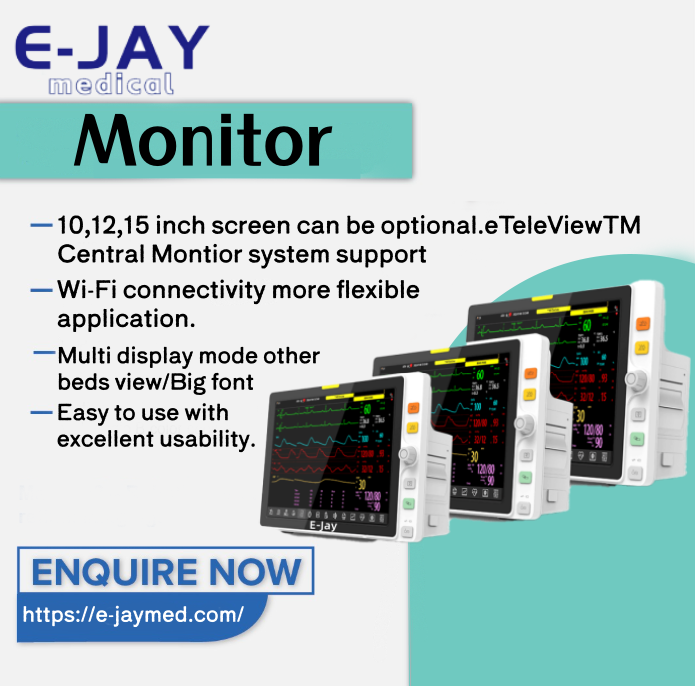
Patient Monitors with ECG and SpO2—Indispensable Medical Equipment
- Fill out the form to download our Anesthesia Machine Technical Brochure.
- Contact our sales manager via WhatsApp:+86 15889774850
- Website: https://e-jaymed.com/