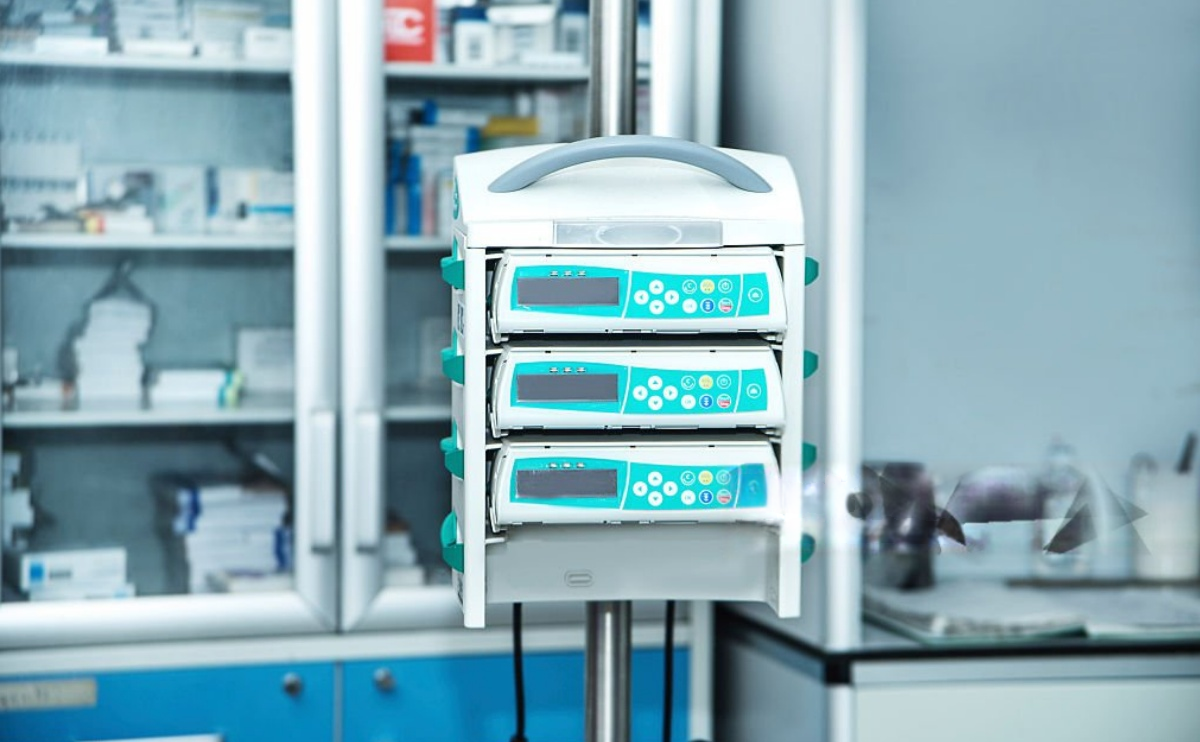
Ventilator Machine Supplier,Cpap mask manufacturer


Understanding Mechanical Ventilators: Beyond Basic Life Support
When discussing life support systems, mechanical ventilation stands as a cornerstone of modern critical care. While other systems—such as renal replacement therapies (hemodialysis, hemofiltration) and circulatory support (pressor amines, ventricular assist devices)—address specific organ failures, ventilatory support plays a unique role in sustaining respiratory function when the body can no longer do so on its own.
The Clinical Need for Ventilatory Support
Mechanical ventilation is typically required in two primary scenarios:
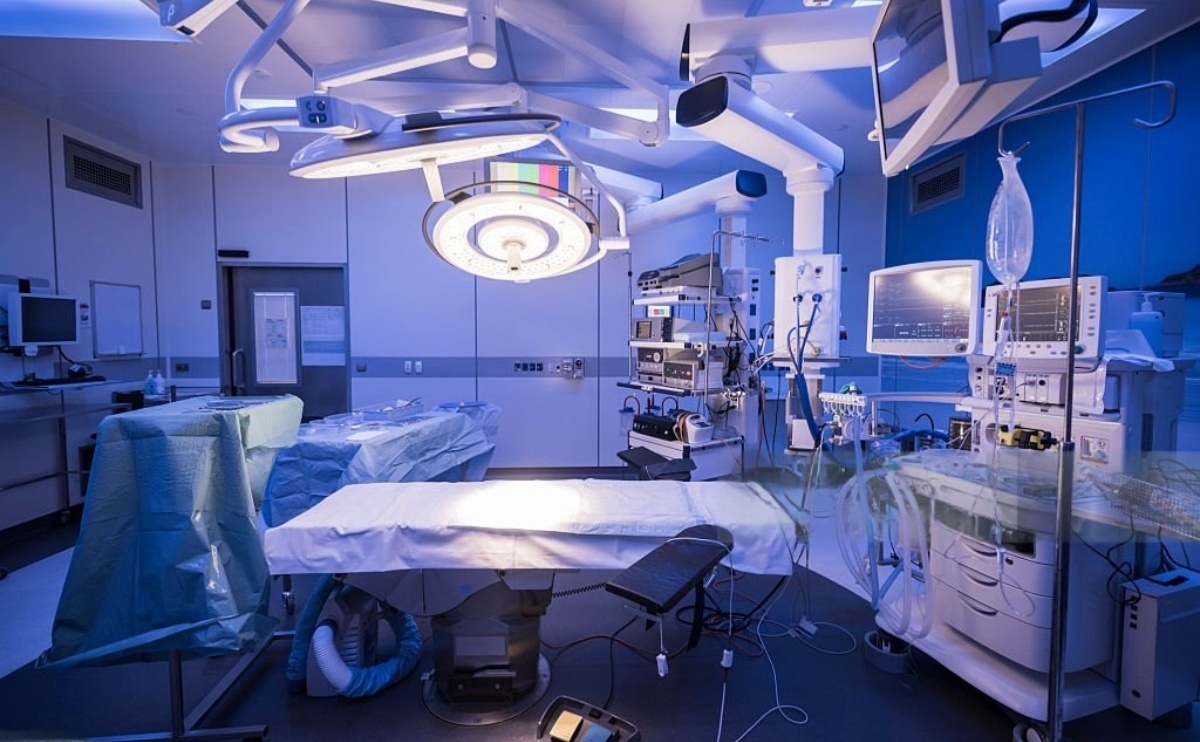
During Surgical Procedures: Patients under general anesthesia are often sedated and paralyzed, necessitating full respiratory support via an endotracheal tube connected to a ventilator.
In Intensive Care Units (ICUs): Patients may experience respiratory failure due to:
Primary lung diseases (e.g., severe pneumonia caused by Pneumococcus or Legionella)
Systemic conditions (e.g., sepsis, acute pancreatitis)
These patients may be unable to eliminate CO₂ effectively (hypercapnic respiratory failure) or maintain adequate oxygen levels (hypoxemia), making mechanical ventilation a life-saving intervention.
Evolution of Ventilator Technology
The history of mechanical ventilation dates back to the 1950s, when negative-pressure ventilators (“iron lungs”) were used to treat polio patients with respiratory muscle paralysis. While effective, these devices were cumbersome and limited in functionality.
Today’s ventilators are highly sophisticated systems capable of:
Delivering precise oxygen concentrations (FiO₂)
Adjusting respiratory rate, tidal volume, and pressure limits
Supporting both volume-controlled and pressure-controlled ventilation
Synchronizing with patient-initiated breaths
Humidifying inspired air to protect airway mucosa
Monitoring real-time parameters such as pressure-volume curves, exhaled CO₂, and peripheral oxygen saturation (SpO₂)
Modes of Ventilation: Invasive vs. Non-Invasive
1. Non-Invasive Ventilation (NIV)
Delivered via a tightly fitted face mask
Suitable for patients with acute exacerbations of COPD or cardiogenic pulmonary edema
Avoids the complications associated with endotracheal intubation
2. Invasive Ventilation
Requires an endotracheal tube inserted through the mouth (or rarely the nose) into the trachea
Preferred in cases of severe respiratory failure or when airway protection is needed
Prolonged intubation carries risks of vocal cord damage and sinusitis
For longer-term ventilation, a tracheostomy may be performed:
A surgical opening is created in the trachea below the vocal cords
A cuffed tube is inserted directly into the airway
Reduces laryngeal injury and improves patient comfort

Comprehensive Ventilation Solutions We Offer
As a dedicated ventilator supplier, we recognize that not all ventilation needs are the same. We provide a full spectrum of ventilation systems tailored to diverse applications:
- Medical Grade Equipment: Including advanced ventilators machine for ICU hospital use such as Hamilton ventilator, designed for critical care environments
- Residential Solutions: Efficient home ventilation system fresh air products and VOV two-way fresh air ventilation systems
- Commercial & Industrial Applications: Robust air ventilation system designs and specialized equipment like welding helmet with ventilation
- HVAC Integration: Complete ventilation HVAC solutions for buildings requiring climate and air quality control
- Specialized Equipment: Including hair ventilation machine for salons and ventilation fan ceiling units for various spaces
- Energy Recovery Systems: Advanced heat recovery ventilation technology for improved efficiency
- Exhaust Solutions: High-performance ventilation exhaust fans and ventilation fans for contaminant removal
Why Partner with a Professional Ventilator Supplier?
Choosing the right ventilator supplier ensures access to:
- Technical Expertise: Professional guidance in selecting appropriate ventilation system configurations
- Quality Assurance: Equipment that meets international safety and performance standards
- Customized Solutions: Tailored approaches for specific needs, from medical facilities to industrial applications
- Comprehensive Support: Installation, training, and maintenance services
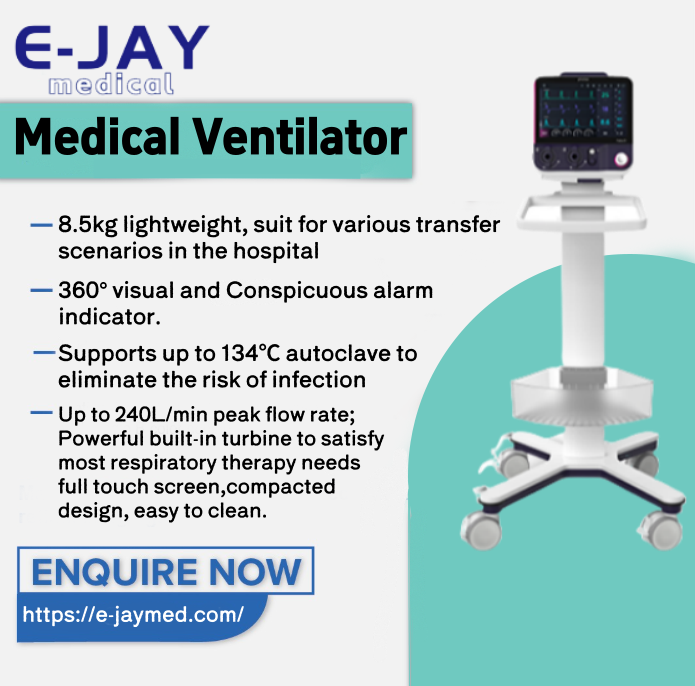
As a dedicated ventilator supplier, we recognize that mechanical ventilators are more than just medical devices—they are tools that integrate clinical needs, technical safety, and patient outcomes.
Our portfolio of mechanical ventilators adheres to global standards and clinical guidelines, designed to meet the diverse demands of ORs, ICUs, and other critical care settings. Beyond supplying equipment, we offer end-to-end support: from helping healthcare facilities select the right ventilator for their patient population, to providing hands-on training for clinical teams, to ensuring timely maintenance and troubleshooting.
Whether an ICU needs a high-precision ventilator for severe respiratory failure cases or an OR requires a system tailored to complex surgeries, we prioritize aligning our solutions with real-world clinical challenges.
Choosing the right ventilator supplier is about more than procuring equipment—it is about partnering with a team that understands the urgency and precision of respiratory care.
We stay abreast of the latest advancements in mechanical ventilation technology, ensuring our offerings not only meet current clinical needs but also adapt to future innovations. For healthcare providers seeking reliable, clinically validated mechanical ventilators, we stand as a trusted partner in delivering the support needed to save and improve lives.