What Is an Electrosurgical Unit (ESU)? 2026 Complete Hospital Procurement Guide: Types, Safety Standards & Selection Tips

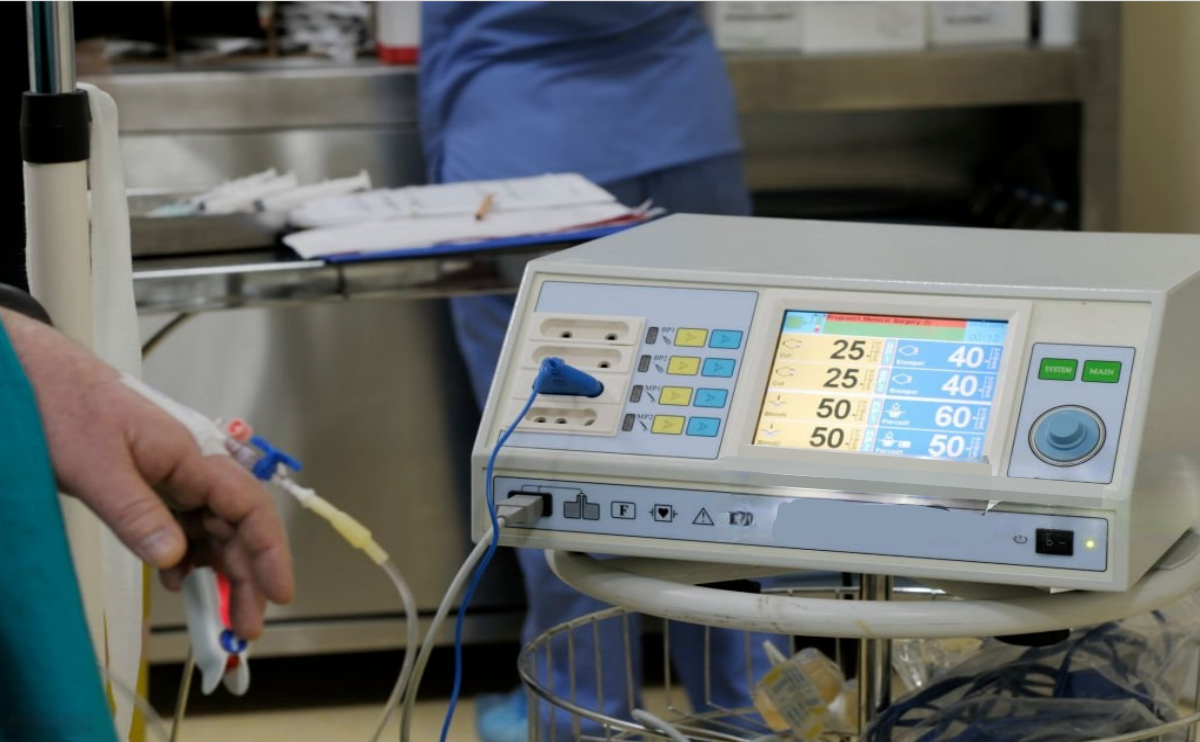
An electrosurgical unit (ESU) is a core standard device in modern operating rooms, and one of the flagship operating theatre products offered by E-Jaymed (official website: e-jaymed.com). As a professional Chinese medical equipment manufacturer, E-Jaymed supplies a full line of certified medical high-frequency electrosurgical knives, covering monopolar, bipolar and multi-mode categories, with complete electrosurgical unit consumables and long-term after-sales support. All products meet electrosurgical unit CE certification and ISO 13485 certification standards, serving global hospitals, medical distributors and government tender projects worldwide, and is a core partner for medical equipment suppliers in Africa and medical equipment manufacturers in Southeast Asia.
A high-frequency electrosurgical knife delivers precise soft tissue cutting, coagulation and hemostasis via high-frequency electrical current. Compared with traditional scalpels, it significantly reduces intraoperative bleeding, shortens surgical duration, improves operational efficiency and patient safety, and has become an essential device for general surgery, gynecology, dermatology and minimally invasive procedures.
1. Core Definition & Working Principle of Electrosurgical Units
2. Core Types & Departmental Selection Guide for Electrosurgical Units
2.1 Three Main Types of Electrosurgical Units
(1) Monopolar Electrosurgical Units
- Core advantages: high cutting efficiency, wide coagulation range, broad procedure compatibility
- Applicable scenarios: general surgery, emergency departments, major surgery requiring large-area tissue cutting
- Core advantages: minimal thermal damage range, no remote burn risk, high coagulation precision
- Applicable scenarios: gynecology, neurosurgery, ophthalmology and other departments requiring fine operations
(3) Advanced Multi-Mode Electrosurgical Units
2.2 Core Parameter Comparison: Monopolar vs Bipolar High-Frequency Electrosurgical Knives
| Comparison Dimension | Monopolar Electrosurgical Unit | Bipolar Electrosurgical Unit |
|---|---|---|
| Current Circuit | Travels through the patient’s full body, returns via return electrode pad | Only flows through tissue clamped between forceps tips |
| Core Function | Large-area cutting + full-range coagulation | Localized precise coagulation |
| Matching Consumables | Electrosurgical pencil, return electrode pad, disposable electrode tips | Bipolar coagulation forceps, dedicated electrode cables |
| Applicable Departments | General surgery, emergency, dermatology, major surgery | Gynecology, neurosurgery, ophthalmology, microsurgery |
| Burn Risk | Requires proper return pad placement, has remote burn risk | No return pad design, extremely low burn risk |
2.3 Department-Specific Selection Recommendations
- General surgery in tertiary hospitals: Prioritize multi-mode electrosurgical coagulators with both monopolar and bipolar functions to meet full-department needs
- Gynecology clinics / maternity hospitals: Choose gynecological electrosurgical knives with dedicated loop electrosurgical excision procedure (LEEP) modes, suitable for cervical LEEP surgery, cervical conization and other routine gynecological procedures
- Dermatology / medical aesthetic clinics: Choose small desktop electrosurgical knives supporting superficial modes such as electrofulguration and electrodessication, for skin lesion removal and wart treatment
- Dental / dental clinics: Choose dedicated oral electrosurgical knives for periodontal electrosurgery and other oral soft tissue procedures
- Veterinary clinics: Choose veterinary electrosurgical units with parameters calibrated for animal tissue
- Minimally invasive surgery centers: Choose dedicated laparoscopic electrosurgical knives supporting endoscopic electrosurgery and abdominal electrosurgical coagulation
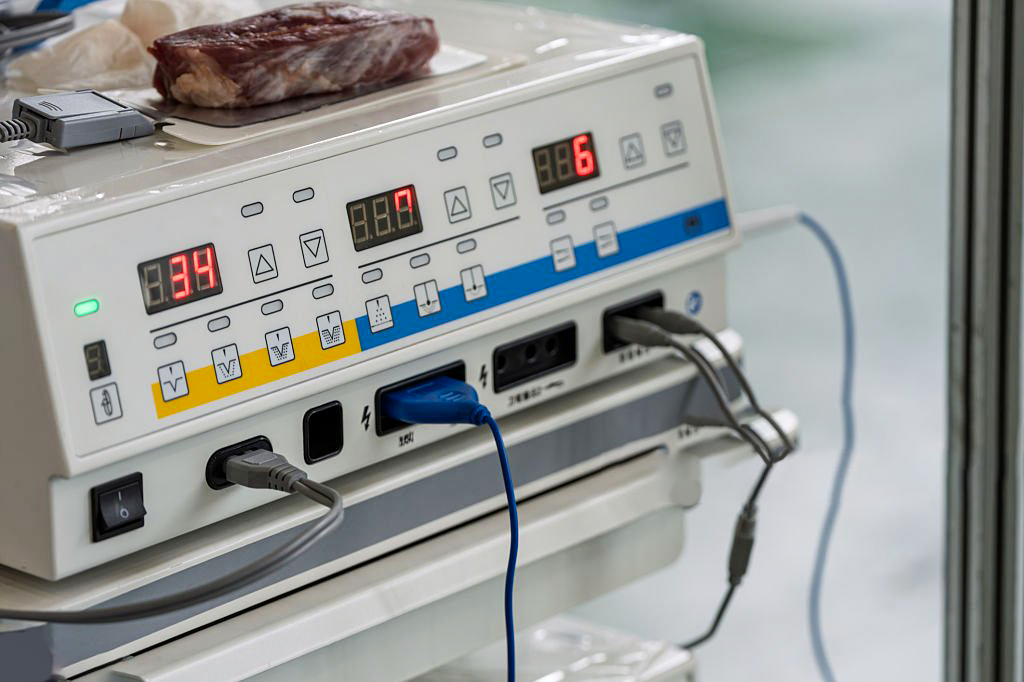
3. Core Working Modes of Electrosurgical Units
3.1 Core Basic Modes
- Pure Cut Mode: Delivers high-frequency, low-voltage current, creating a narrow, deep, clean incision nearly identical to a scalpel. It is used exclusively for precise tissue dissection, with minimal hemostatic effect.
- Blended Cut Mode: Uses lower frequency and higher voltage than pure cut mode. It creates a wider incision with simultaneous mild tissue coagulation, reducing minor bleeding during dissection for more efficient surgery. It is the most commonly used cutting mode for routine procedures.
- Coagulation Mode: Delivers high-voltage, low-frequency current. The thermal effect does not cause explosive tissue vaporization, but forms a firm thermal clot to seal blood vessels. Surgeons have greater control over hemostasis in this mode.
3.2 Specialized Fine Procedure Modes
For dermatology and outpatient minor surgery scenarios, electrosurgical units also support refined treatment modes:- Electrofulguration: The electrode generates a spark held a few millimeters above the tissue surface, only affecting the outermost tissue layer for superficial lesion treatment.
- Electrodessication: The electrode makes direct contact with the lesion, drying out the target tissue via current for shallow benign growth removal.
- Electrocoagulation: Delivers deeper thermal damage than fulguration or dessication, promoting deep blood clotting for vascular lesions.
- Electrosection: Delivers ultra-precise cutting for fine soft tissue procedures.
- Electrocautery: Uses direct current (DC) to heat a probe tip, rather than passing current through the patient’s body, for targeted surface hemostasis.
4. Cross-Department Clinical Applications of Electrosurgical Instruments
- General Surgery: Efficient tissue dissection and hemostasis for abdominal and thoracic procedures, reducing intraoperative blood loss as a core surgical hemostasis device.
- Gynecology: Precise coagulation for sensitive reproductive tissue, with dedicated LEEP knife presets for cervical conization and loop electrosurgical excision procedure (LEEP).
- Dermatology: Safe removal of skin tags, warts and benign growths. Electrodessication & curettage (ED&C) paired with electrosurgery achieves a 90-95% cure rate for basal cell and squamous cell carcinomas, making it a common solution for skin cancer electrosurgical treatment.
- Minimally Invasive Surgery: Controlled, adjustable energy delivery supporting endoscopic electrosurgery and laparoscopic procedures, reducing surgical trauma and shortening patient recovery time.
- Neurosurgery: neurosurgical bipolar coagulation for precise hemostasis during intracranial fine surgery, avoiding damage to surrounding nerve tissue.
- Ophthalmology: ophthalmic bipolar coagulation for refined operations in ocular microsurgery.
- Dentistry: oral electrosurgical knives for periodontal treatment and oral soft tissue procedures.
- Veterinary Practice: veterinary electrosurgical units calibrated for animal soft tissue surgery, serving pet hospitals and animal clinics.
5. Mandatory Safety Features for Compliant Medical High-Frequency Electrosurgical Knives
- Return Electrode Monitoring (REM): Real-time detection of return electrode pad (dispersive electrode plate) adhesion quality, with automatic power reduction and alarms if poor contact is detected, to prevent electrosurgical burns at the source.
- Multi-Layer Alarm Systems: Audible and visual alarms for overheating alerts, power anomalies, open device doors and electrode disconnection.
- Tissue Impedance Monitoring: Automatic adjustment of power output based on real-time tissue resistance, to avoid excessive thermal damage to surrounding healthy tissue and improve surgical precision.
- Power Limit Protection: Built-in maximum power threshold to prevent accidental high-energy output caused by operating errors.
- Isolated Output Design: isolated output electrosurgical knives greatly reduce electric shock risk, and minimize electromagnetic interference with implanted devices as covered in electrosurgery guidelines for pacemaker patients and electrosurgery precautions for implantable defibrillators.
- Smoke Evaporation Compatibility: Can be paired with electrosurgical smoke purification systems to reduce toxic substances and pathogens in surgical smoke, protecting medical staff safety.
How to Choose a Reliable OEM Infusion Pump Supplier
- Complete International Certifications:Valid CE and ISO13485 are mandatory for customs clearance and local hospital bidding, the basic threshold of formal medical infusion pump manufacturer.
- Stable Production Capacity:Standardized assembly lines and strict full inspection guarantee on-time delivery for bulk tender orders.
- Comprehensive Safety Functions:Qualified pumps must include occlusion alarm, bubble detection, door open alert and anti-free flow to eliminate clinical hazards.
- Flexible OEM Customization:Top-tier OEM infusion pump supplier supports private label, multilingual software and personalized packaging to help distributors build local brands.
- Global After-Sales Support:A reputable medical equipment supplier in China offers permanent spare parts stock, online repair guidance and regular operation training for overseas medical staff.
6. Electrosurgical Safety Operation Guidelines & Equipment Maintenance Requirements
6.1 Operating Room Safety Guidelines
Pre-Operation Preparation
- Confirm the return electrode pad (dispersive electrode plate) is fully adhered to a clean, well-vascularized skin area, away from scars, implants and bony prominences.
- Conduct a full pre-operative inspection of electrosurgical pencils, electrosurgical cables and electrodes for insulation damage, and never use faulty equipment.
- Follow the "lowest effective power" principle: start with the lowest power setting that meets surgical needs, and increase gradually as required.
- For patients with pacemakers or implantable defibrillators, prioritize bipolar mode, consult a cardiologist before surgery, and use continuous cardiac monitoring during the procedure.
Intraoperative Operation
- The operating room must be equipped with a smoke evacuation system to promptly remove electrosurgical smoke.
- Avoid contact between active electrodes and metal surgical instruments to prevent unintended current transfer.
- Maintain clear real-time communication between the surgical team and anesthesia team for high-risk procedures.
Post-Operation Handling
- Strictly follow manufacturer guidelines for electrosurgical unit cleaning and disinfection of all reusable components to avoid cross-infection.
- Record equipment performance and any anomalies for electrosurgical unit routine maintenance tracking.
6.2 Equipment Maintenance & Compliance Requirements
- Routine Performance Testing: In line with international electrosurgical unit safety standards, conduct electrosurgical unit performance testing and power calibration at least every 6 months to ensure accurate and stable energy output. The electrosurgical unit calibration cycle can be shortened for higher frequency use.
- Regular Consumable Replacement: Electrosurgical unit consumables including disposable electrodes, return pads and cables must be replaced on schedule, and never used beyond their service life.
- Staff Training Requirements: Provide regular electrosurgical unit operation training for all operating room staff to reduce human error risks.
- Spare Parts Guarantee: Confirm that the supplier can provide long-term stable electrosurgical unit spare parts supply during procurement, to avoid equipment failure with no replacement parts available.
7. How to Choose a Reliable Electrosurgical Unit Manufacturer?
- For hospital procurement teams and medical distributors, manufacturer qualification directly determines the stability of long-term cooperation. As a professional Chinese medical equipment manufacturer, E-Jaymed (e-jaymed.com) summarizes 5 core selection criteria to help buyers avoid procurement pitfalls.
7.1 Core Selection Evaluation Criteria
(1) Complete International Compliance Certifications
Electrosurgical unit CE certification and ISO 13485 certification are the minimum entry threshold for medical-grade devices, and mandatory requirements for customs clearance and hospital tender electrosurgical units in most countries. Always choose manufacturers with certifications issued by authoritative third-party institutions.(2) Stable Mass Production & Delivery Capacity
Standardized production lines and strict full-inspection processes guarantee on-time delivery for large-volume hospital electrosurgical unit procurement and government tender projects, avoiding order delays.(3) Comprehensive Function & Safety Configurations
Devices must cover all core safety features, with clear clinical validation data, and low-cost under-configured non-compliant products must be rejected.(4) Flexible Customization Services
For distributors building their own brands, prioritize manufacturers supporting OEM electrosurgical unit customization and ODM electrosurgical equipment, offering private label printing, multilingual software, customized packaging and regulatory document assistance.(5) Global After-Sales Support
Reliable manufacturers provide full-cycle services including long-term electrosurgical consumable supply, electrosurgical unit spare parts stock, remote technical guidance and overseas team operation training, rather than only one-off sales.7.2 Why Choose E-Jaymed Electrosurgical Units
E-Jaymed (official website: e-jaymed.com) is a Chinese medical equipment manufacturer focused on full-line operating theatre devices. Our product range covers electrosurgical units, anesthesia machines, patient monitors, infusion pumps, operating lamps and other full-category operating theatre instruments, and we are a long-term partner for numerous medical distributors worldwide:- Full product line with CE and ISO 13485 certification, meeting customs clearance and tender requirements across global markets
- Support for OEM electrosurgical unit customization and ODM services to meet distributor branding needs
- Stable mass production capacity supporting fast delivery for bulk orders
- Long-term supply of electrosurgical consumables and spare parts, with lifetime technical support
- Deep experience in emerging markets including medical equipment suppliers in Africa, medical equipment manufacturers in Southeast Asia, Latin America medical equipment wholesale and Middle East medical equipment procurement, with rich cross-border export and project supporting experience
FAQ
What classification of medical device is an electrosurgical unit?
Medical high-frequency electrosurgical knives are Class III medical devices — the highest risk category of medical equipment — requiring strict compliance qualifications for production, sales and import.
What is the difference between monopolar and bipolar electrosurgical units?
Monopolar electrosurgical knives pass current through the patient’s full body, suitable for large-area cutting and coagulation. Bipolar electrosurgical knives only conduct current between the two forceps tips, with higher coagulation precision and lower burn risk, suitable for delicate surgery.
Can electrosurgical units be used on patients with pacemakers?
Strict protective measures are required: prioritize bipolar mode, keep power at the minimum necessary level, conduct pre-surgical consultation with a cardiologist, and use continuous cardiac monitoring during the procedure
How often should electrosurgical unit performance testing be conducted?
For routine clinical use, the recommended electrosurgical unit calibration cycle is every 6 months. Additional testing is required after high-frequency use or core component replacement.
What is the difference between electrosurgical units and laser surgery devices?
Electrosurgical units generate thermal effects via high-frequency current, while laser devices use focused light energy. Both can perform cutting and coagulation, but electrosurgical knives have lower procurement and maintenance costs and broader procedure compatibility, making them the basic standard for operating rooms.