What Does a Defibrillator Do?

How Does a Defibrillator Work?
The fundamental principle behind any defibrillator, from a sophisticated hospital manual defibrillator to a public-access automated external defibrillator (AED), is to depolarize a critical mass of the heart muscle simultaneously. This brief, controlled electrical discharge stops the chaotic, unsynchronized electrical activity of a fatal arrhythmia, allowing the heart's natural pacemaker cells to resume control and restore a coordinated, effective rhythm.
- Detection & Analysis: Modern devices, especially automatic defibrillator units, use advanced algorithms to analyze the patient's heart rhythm through adhesive electrodes or automated external defibrillator pads. They can accurately differentiate between "shockable" rhythms (like VF) and "non-shockable" rhythms (like asystole).
- Energy Delivery: If a shockable rhythm is detected, the device charges a capacitor and delivers a measured electrical current (in joules) through the patient's chest via the pads. The correct automated external defibrillator pad placement—typically one on the upper right chest and the other on the lower left side—is vital for the current to pass effectively through the heart.
- Device Types:
- Manual Defibrillators: Used by trained medical professionals (e.g., in hospitals) who interpret the ECG and manually select the energy level.
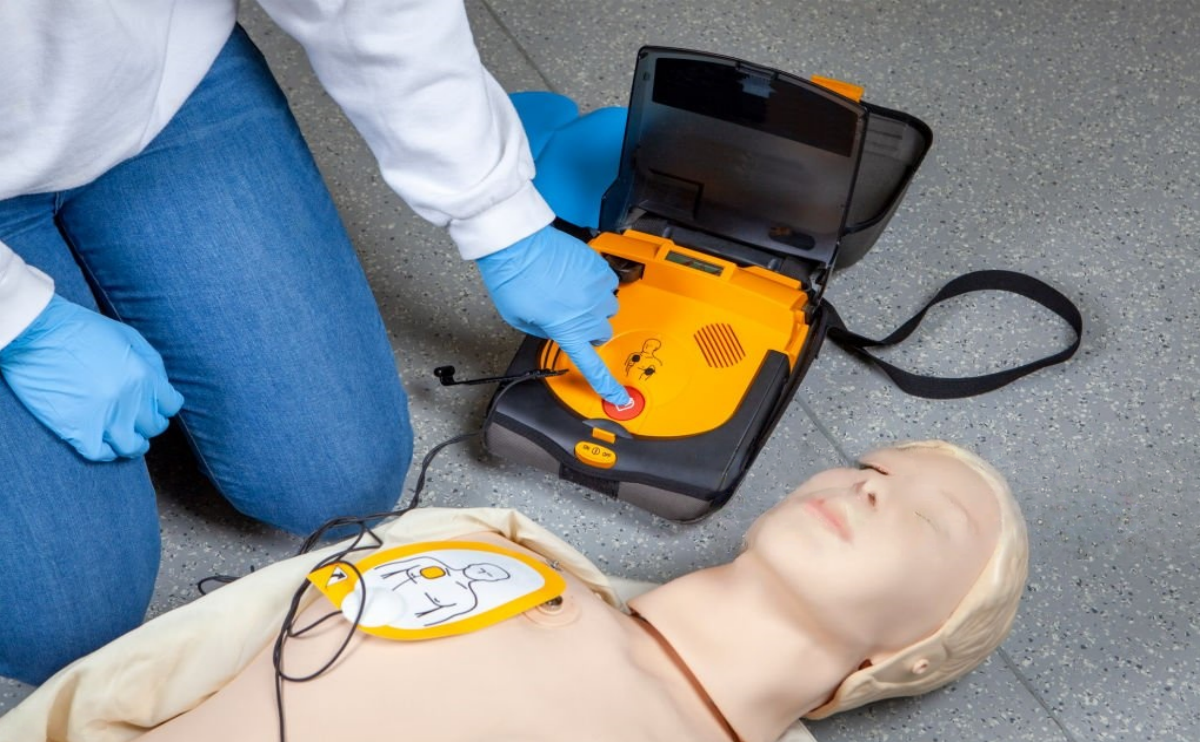
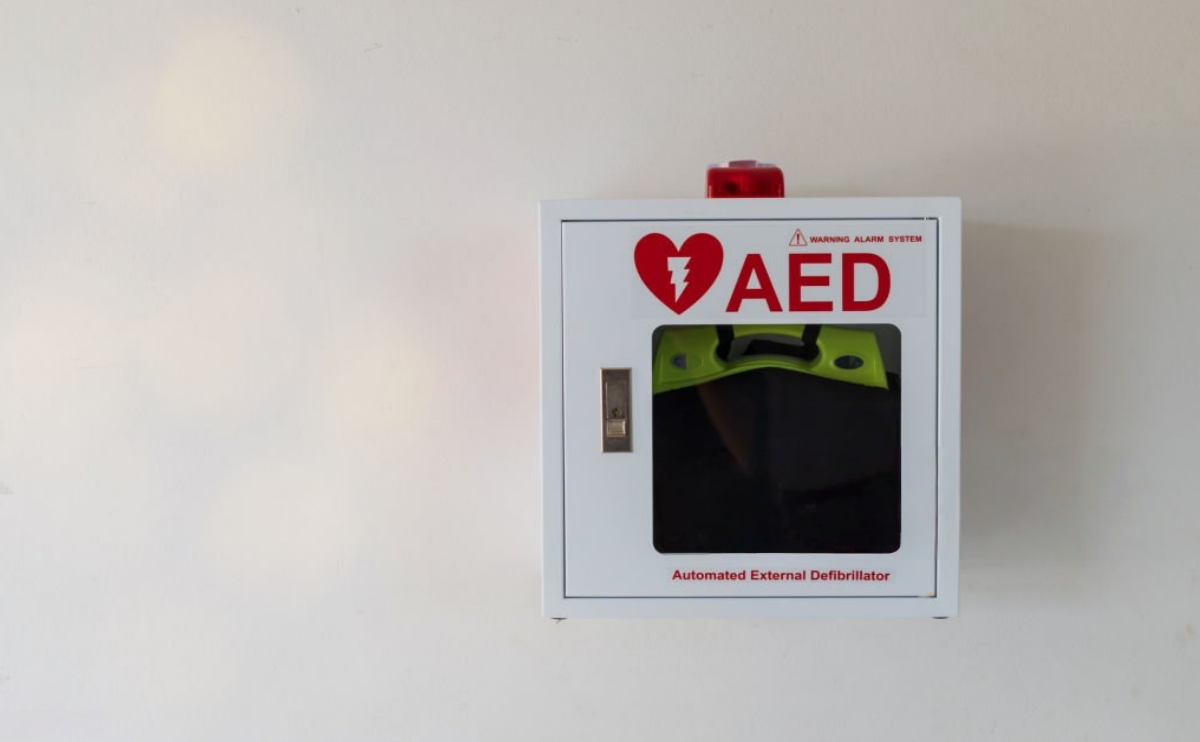
- Automated External Defibrillators (AEDs): Designed for public use, these automated defibrillator device units provide voice and visual prompts to guide even untrained rescuers. They autonomously analyze the rhythm and advise a shock if needed.
- Implantable Devices: A pacemaker with defibrillator implant (ICD) monitors the heart continuously and delivers a shock internally if it detects a dangerous rhythm.
How to Use a Defibrillator?
The advent of the AED defibrillator has democratized the potential to save a life from sudden cardiac arrest. Here is a universal guide on how to use one:
Assess & Activate: Confirm the victim is unresponsive and not breathing normally. Call for emergency help immediately and send someone to retrieve an AED defibrillator.
Prepare the Patient: Expose the victim's bare chest. If wet, dry it quickly. Remove any medication patches.
Apply the Pads: Follow the pictorial guides on the pad packaging for correct automated external defibrillator pad placement. Peel and firmly press the adhesive automated external defibrillator pads onto the skin as shown.
Let the AED Analyze: Ensure no one is touching the patient. Press the "Analyze" button if required. The automatic defibrillator will assess the heart rhythm.
Deliver the Shock: If the device advises a shock, it will charge. Loudly state, "Clear!" and visually ensure no one is in contact. Press the shock button.
Resume CPR: Immediately after the shock, or if no shock is advised, begin or resume chest compressions. Follow the AED's voice prompts, which will typically guide you through 2-minute cycles of CPR and analysis.
For clinical settings, devices like our Defibrillator Monitor I2/I6 combine manual defibrillation with vital sign monitoring, requiring professional training. For preparedness, using an AED Trainer Model X1 for regular practice is invaluable.
Why Is Defibrillation Important?
Defibrillation is not just important; it is often the only effective treatment for sudden cardiac arrest caused by ventricular fibrillation. Its importance is quantified by time: the probability of survival decreases by 7-10% with every minute that passes without defibrillation.
Bridges the Gap to Advanced Care: It is the definitive pre-hospital treatment, sustaining life until emergency medical services can transport the patient to a hospital. Our Semi-Automatic External Defibrillator I5 is designed for this crucial role, offering reliable, guided intervention in community settings.
Enables Public Access to Emergency Care: The proliferation of portable defibrillators and AEDs for home use in offices, gyms, and airports has dramatically increased the chances of immediate intervention.
Addresses Specific Clinical Needs: Understanding the difference between cardioversion vs defibrillation (synchronized shock for unstable tachycardias vs. unsynchronized for VF/VT) is key in hospital settings. In refractory cases, advanced protocols like dual sequential defibrillation may be employed by medical teams.
Choosing the Right Defibrillator for Your Needs
Selecting the appropriate defibrillator device depends on the environment and user:
For Hospitals & Advanced Care: Professional-grade manual defibrillator/monitors are essential. Our Defibrillator Monitor I2/I6 provides comprehensive capabilities for critical care.
For Public Access & First Responders: Durable, simple automated external defibrillator units are ideal. Our External Defibrillator I7/I9 offers robust performance for demanding environments.
For Home Use (for high-risk patients): A simple, reliable AED defibrillator for home use can provide peace of mind and life-saving potential. Factors like AED defibrillator price and automated external defibrillator price are balanced against features and durability.
Our Expertise
E-Jay Medical is deeply committed to providing reliable, advanced, and efficient integrated solutions for operating theatres and critical care departments. We continuously invest in research and development, keeping pace with the latest trends in medical technology to ensure our products and services meet the increasingly complex demands of modern healthcare environments.
As an innovator in the field of medical technology, we possess profound technical expertise and unique experience in ventilators, anesthesia machines, medical lighting, infusion pumps, and operating theatre solutions. We strive to create a safer, more convenient, and more efficient working environment for healthcare professionals.
E-Jay has become a trusted partner for numerous medical institutions worldwide. Our professional equipment is widely used in operating rooms, ICUs, and emergency resuscitation areas of hospitals at various levels. Supported by a comprehensive service network, we provide customers with timely and professional technical support and after-sales service.